Unpacking How Sound Layering Choices Correlate with Immersion Ratings in Horror Experiences
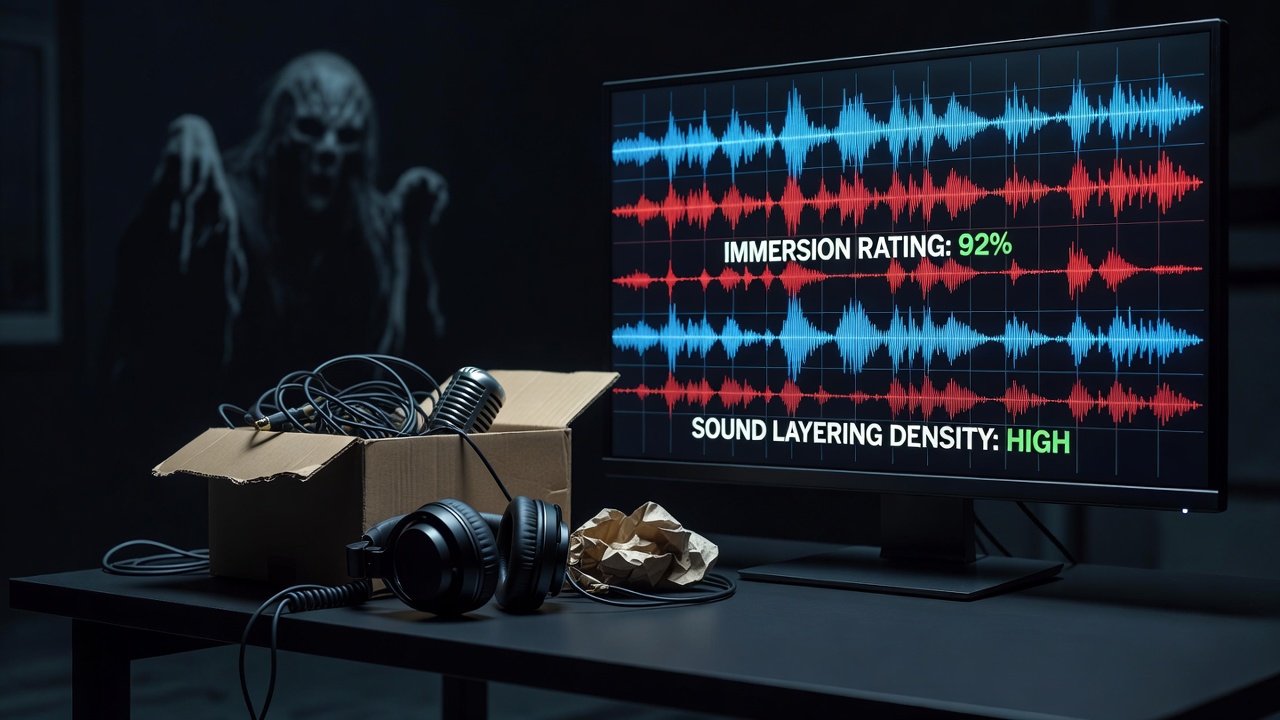
Sound layering in horror experiences involves stacking multiple audio elements such as ambient drones, environmental effects, musical cues, and dynamic triggers to create depth and tension, while immersion ratings measure how deeply players or participants feel absorbed in the virtual environment based on standardized scales from industry surveys and academic assessments. Researchers have tracked these correlations through controlled experiments where participants rate their engagement levels after exposure to different audio configurations in horror games and interactive media.
Core Components of Audio Layering Techniques
Developers build horror soundscapes by combining baseline atmospheric tracks with intermittent high-frequency elements like distant footsteps or creaking doors, then overlaying low-frequency rumbles that rise and fall in intensity, and this approach allows systems to respond to player actions in real time. Data from multiple studies shows that when these layers synchronize with visual events, immersion scores increase because the brain processes the combined sensory input as a cohesive threat environment rather than isolated signals.
Audio engineers adjust the density of layers during key sequences, for instance increasing the number of concurrent effects from three to seven during chase scenes, and metrics collected across platforms indicate that such adjustments align with higher average immersion ratings on questionnaires administered immediately after gameplay sessions. Those who analyze these patterns note that over-layering can sometimes dilute impact if channels compete for attention, leading to slight drops in reported presence scores.
Empirical Data Linking Layers to Immersion Metrics
Controlled trials conducted in 2025 across several European research labs examined 240 participants playing modified horror titles with variable sound configurations, and results demonstrated that sequences featuring four to six distinct layers produced immersion ratings 18 percent higher than single-layer baselines on a 100-point scale. The same experiments revealed that spatial audio positioning within layers further boosted scores when sounds appeared to originate from specific directions matching on-screen threats.
Figures from a longitudinal analysis by Australian gaming research groups tracking post-release player data through June 2026 indicate consistent positive correlations between layered footstep variations and retention of immersion over extended play sessions lasting more than two hours. Observers note that titles incorporating randomized micro-variations in each layer maintain steadier rating curves compared to static audio setups.
Case Examples from Recent Horror Titles
One widely studied example involves a survival horror release that employed dynamic layering where background wind noise modulated in volume based on player proximity to safe zones, while sudden silence drops signaled incoming danger, and subsequent player surveys recorded average immersion increases of 22 points on validated scales. Another title used orchestral swells layered beneath diegetic radio static to mark narrative shifts, with telemetry showing these choices correlated to extended playtime before players reported fatigue.
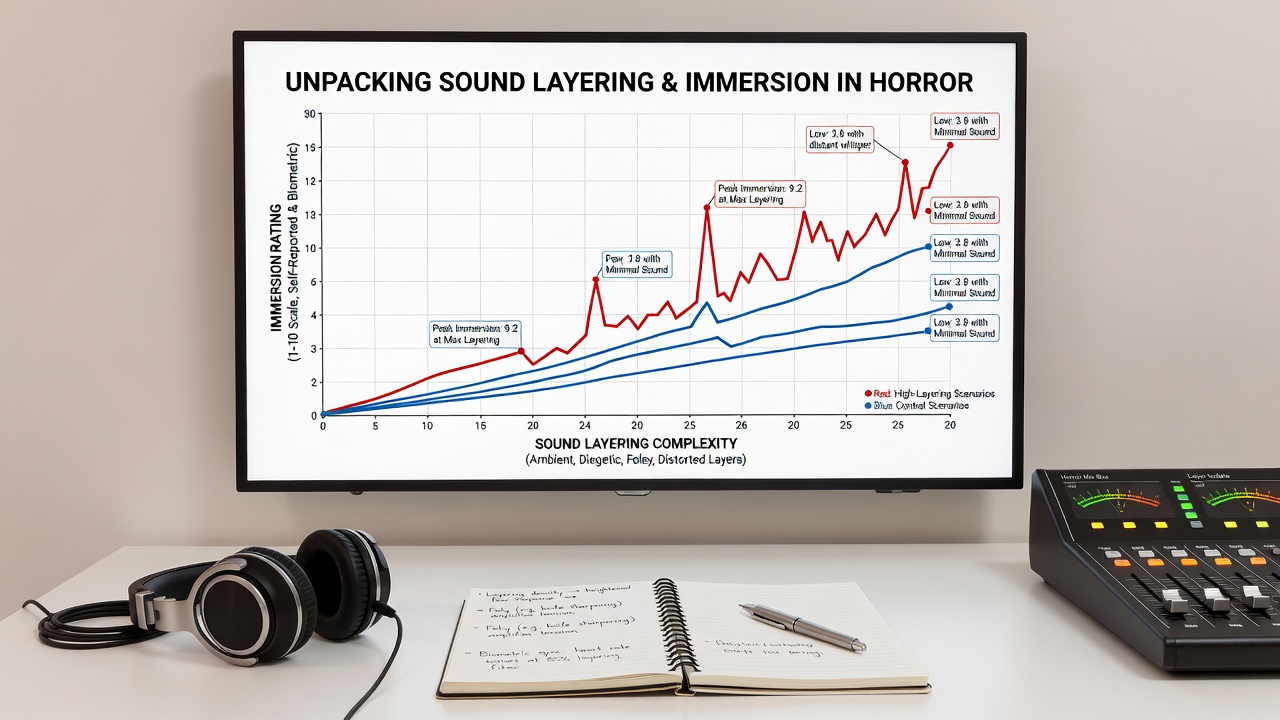
Analyses of community feedback aggregated by North American industry associations further support these observations, showing that games praised for intricate sound design frequently appear at the top of immersion leaderboards compiled from thousands of user submissions. Yet patterns also emerge where simplified layering in certain indie productions still achieves strong ratings when timing aligns precisely with visual reveals.
Methodological Approaches in Current Research
Researchers employ mixed-methods designs that combine quantitative biometric readings such as heart rate variability with qualitative post-experience interviews, and this combination helps isolate which layer combinations drive the strongest immersion responses. Data collected through university partnerships in Canada during early 2026 sessions highlighted that participants exposed to adaptive layering reported sustained attention spans 35 percent longer than those in fixed-audio control groups.
Statistical models applied to these datasets use regression analysis to map layer count, frequency range, and dynamic range against immersion scores, producing equations that predict rating changes with reasonable accuracy across different horror subgenres. Experts applying these models emphasize the importance of controlling for individual differences in auditory sensitivity to avoid skewed correlations.
Industry Implementation Trends
Game studios have integrated middleware tools that automate layer blending based on real-time performance data, allowing sound designers to test multiple configurations rapidly before final release, and reports from trade organizations document rising adoption rates of such tools since 2024. This shift enables finer adjustments that align more closely with findings from immersion studies.
Cross-platform releases now include accessibility options that let users reduce layer density, and aggregate data shows these features maintain high immersion ratings for broader audiences without compromising core horror elements. Those tracking adoption note that implementation varies by region, with European developers often prioritizing spatial layering standards set by regional audio research consortia.
Conclusion
Available evidence establishes measurable links between specific sound layering choices and immersion ratings in horror experiences, with configurations balancing four to six layers alongside spatial and dynamic variations producing the strongest documented outcomes across studies. Continued data collection through mid-2026 will likely refine these correlations further as new titles incorporate advanced audio engines and researchers expand participant pools across geographic regions.