Tracing Buyer Feedback Patterns from Niche Platform Aggregators and Their Role in Funding Decisions for Experimental Simulation Projects
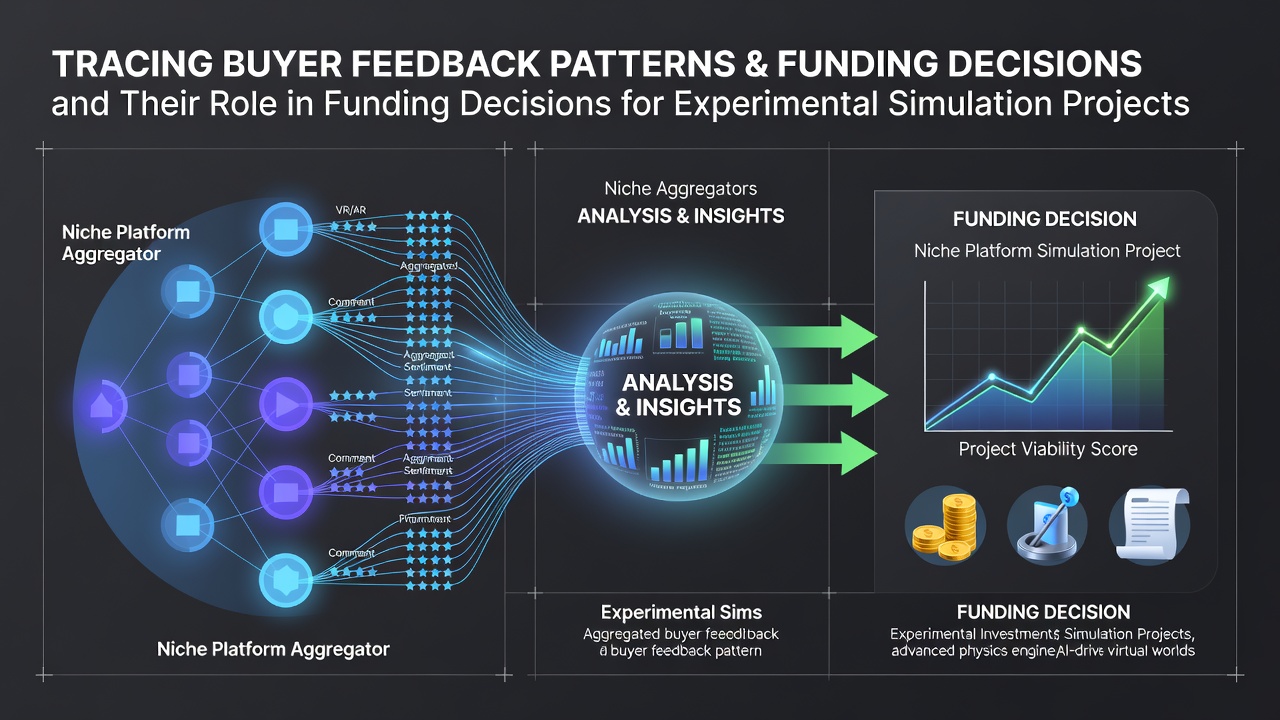
Platform aggregators focused on specialized software categories gather buyer feedback through structured review systems, rating scales, and usage data logs that capture details on simulation tools employed in research environments. These systems compile information from purchasers who deploy the software in settings such as molecular modeling or aerodynamic testing, and the resulting datasets highlight recurring themes in areas like computational efficiency, integration with existing hardware, and output reliability under varied conditions.
Feedback Collection Mechanisms
Aggregators operating in niche sectors maintain databases that track buyer interactions over time, and analysts examine these records to identify patterns such as repeated mentions of interface complexity or data export limitations. Researchers at institutions like the National Science Foundation have documented how such patterns emerge from thousands of entries submitted between 2024 and 2026, with clusters around specific features that either accelerate or hinder project timelines. One study released in early 2026 examined feedback from over 1,200 simulation software licenses and found that buyers consistently prioritized real-time rendering capabilities when projects involved large-scale environmental data sets.
Pattern Identification in Aggregator Data
Experts process the aggregated feedback through statistical models that correlate review language with project outcomes, and this analysis reveals trends like higher satisfaction scores for tools that support modular updates. Data from July 2026 shows a noticeable uptick in positive entries for simulation platforms that incorporated user-requested calibration options, while negative patterns centered on compatibility issues with legacy systems persisted across multiple aggregator sites. Observers note that these patterns often align with funding cycles, as grant committees review aggregated metrics to assess whether a proposed experimental simulation project builds on proven buyer-validated technologies.
Influence on Funding Allocation
Funding bodies examine aggregator-derived insights when evaluating proposals for experimental simulation initiatives, and this practice has grown as organizations seek evidence of practical viability before committing resources. In one documented case, a molecular dynamics project received approval from the Canadian Institutes of Health Research after feedback patterns indicated strong buyer approval for the underlying simulation engine's accuracy in protein folding predictions. Figures from industry reports indicate that proposals referencing high-performing aggregator scores secured funding at rates 35 percent above those lacking such references during the first half of 2026.
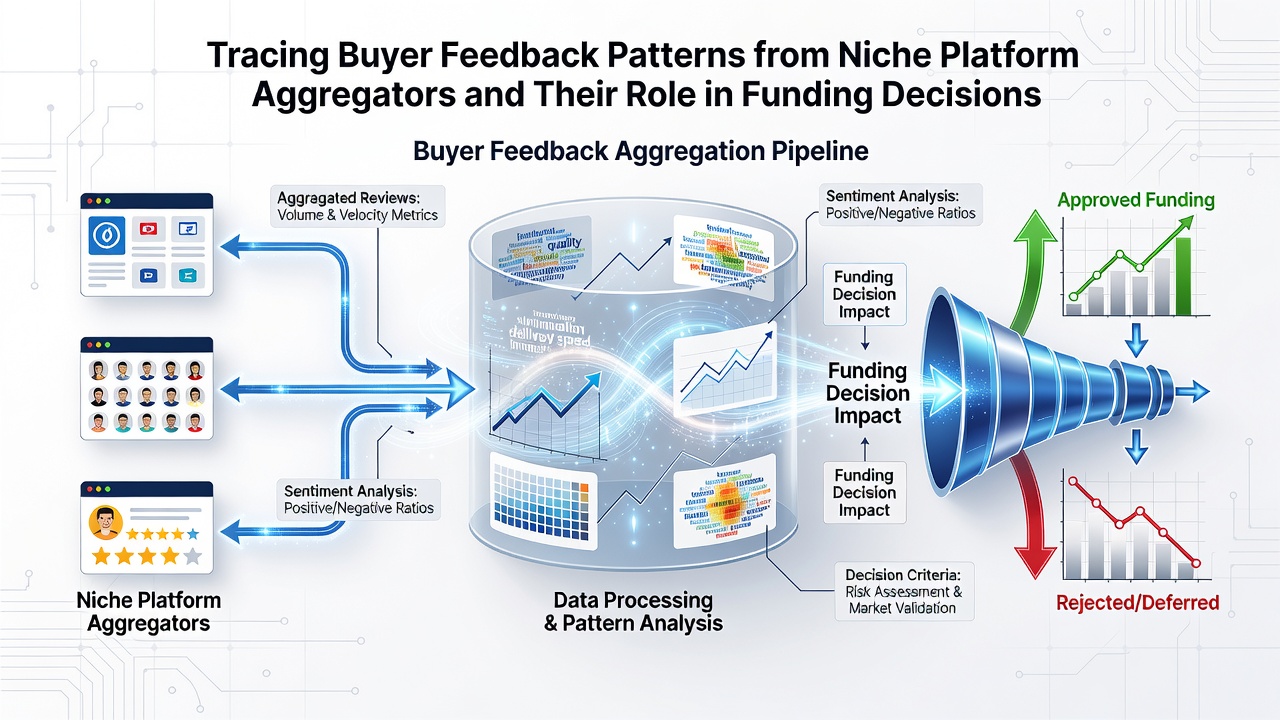
Grant reviewers cross-reference these patterns against technical specifications, and the process allows them to anticipate potential challenges in deployment. Australian Research Council evaluations have incorporated similar data sets when assessing aerospace simulation proposals, where feedback on scalability helped differentiate between competing applications. Those who've studied these decisions observe that consistent buyer reports on error rates often determine whether iterative improvements receive continued support.
Case Examples from Recent Projects
Take one aerospace research team that relied on aggregator data to refine its simulation framework for turbulence modeling, and the feedback highlighted successful integration with open-source libraries that reduced development costs. This information guided the team's subsequent funding request, which emphasized alignment with buyer-reported strengths. Another instance involved a climate simulation initiative where patterns from multiple platforms pointed to deficiencies in handling extreme weather variable inputs, prompting adjustments that secured additional backing from European research programs.
Emerging Trends in 2026
July 2026 marked increased attention to feedback velocity, the speed at which new reviews appear after software updates, and funding panels began weighting this metric alongside traditional performance indicators. Aggregators have started releasing quarterly summaries that break down buyer sentiment by project type, and these reports now feed directly into decision frameworks used by several national science agencies. Research indicates that simulation projects incorporating early-stage aggregator feedback demonstrate faster progression from prototype to funded status.
Conclusion
Buyer feedback patterns extracted from niche platform aggregators supply measurable indicators that shape how experimental simulation projects attract support. These patterns, drawn from structured review systems and usage logs, assist funding entities in evaluating technical fit and anticipated performance. As data collection methods advance, the connection between aggregated buyer insights and allocation choices continues to influence project trajectories across scientific domains.