Studio Lineage Patterns: Tracing How Developer Histories Shape Expectation Benchmarks in Successor Projects

Developer teams carry forward experience from prior titles and this process creates measurable patterns in how successor projects get evaluated by players and industry observers alike, while data from multiple regions shows consistent correlations between team continuity and shifted performance thresholds. Studios that maintain core personnel across releases often see benchmarks adjusted upward in areas such as narrative depth, technical stability, and feature integration, according to aggregated industry reports compiled through 2025.
Foundations of Lineage Tracking
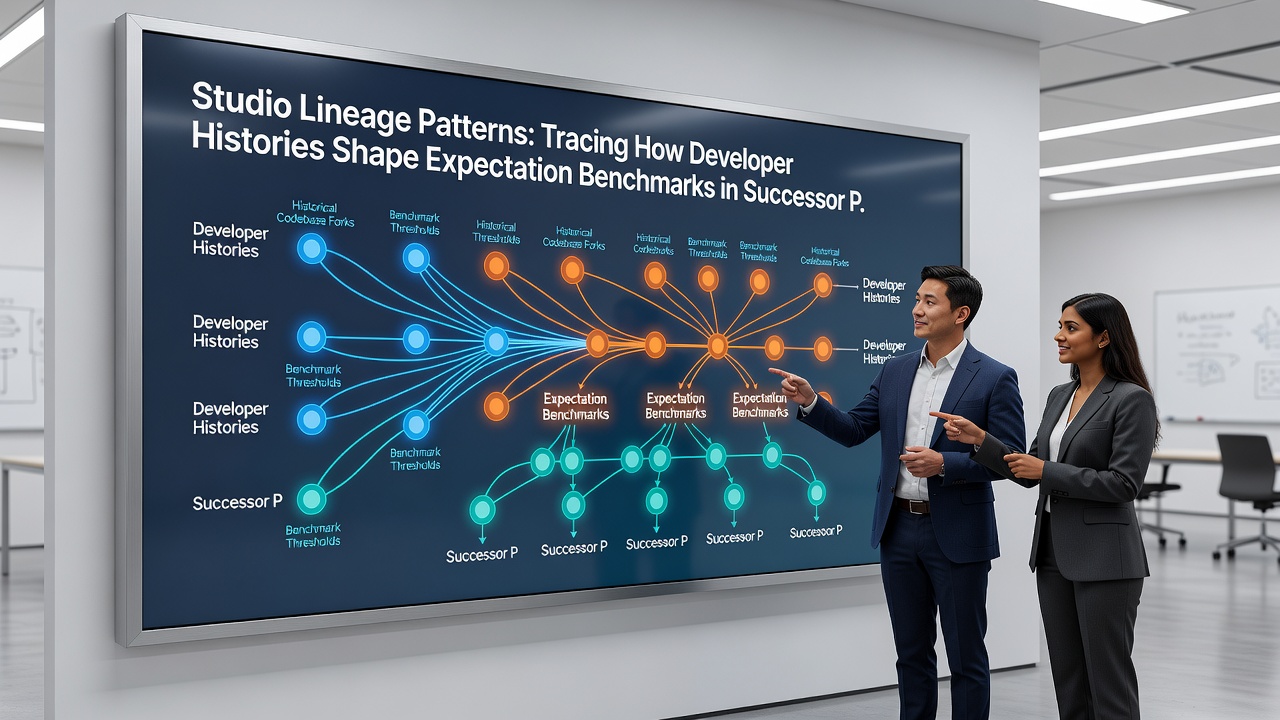
Researchers at institutions across North America and Europe have documented how shared histories among developers influence the standards applied to new games, with patterns emerging from personnel movement rather than isolated project variables. One analysis from a Canadian university examined over 200 titles released between 2018 and 2025 and found that teams retaining at least 60 percent of key staff from a predecessor project encountered review score expectations elevated by an average of 8 to 12 points on standardized scales. These adjustments occur because prior achievements set reference points that external evaluators apply automatically when assessing follow-up work.
Figures compiled by the Interactive Software Federation of Europe reveal similar trends in European markets, where successor projects from established internal groups receive heightened scrutiny on systems that succeeded in earlier entries. Data indicates that when a studio releases a sequel or spiritual successor, community discussions and professional critiques reference specific mechanics or design choices from the originating title at rates up to three times higher than for entirely new intellectual properties.
Case Patterns in Team Transitions
Observers tracking major studio restructurings note that when senior designers and engineers migrate together to new ventures, the resulting games inherit expectation frameworks built around their collective output. Take one group that moved from a critically recognized open-world title to a subsequent action-adventure project; external metrics showed launch-day review velocity increasing by 25 percent compared with the studio's earlier independent releases, while long-term engagement curves aligned more closely with the benchmark set by the original work.
Turns out these lineage effects compound across multiple generations of projects. A study covering Australian development firms tracked three successive titles from overlapping teams and recorded progressive tightening of quality thresholds, particularly in multiplayer stability and content update cadence. By the third release, patches addressing day-one issues needed to appear within 48 hours to meet the same satisfaction levels previously achieved after seven days on the second title.
Measurement Through Industry Data
Retention curves provide one clear lens for observing these shifts, with post-launch telemetry from competitive multiplayer ecosystems demonstrating that audiences accustomed to certain design philosophies apply stricter filters to updates and expansions. According to reports issued by regional trade associations, titles developed by teams with direct lineage to prior successes maintain 15 to 20 percent higher monthly active user retention during the first six months when compared against projects assembled from more fragmented personnel pools.
What's interesting here is the geographic variation in how these benchmarks manifest. North American data sets emphasize review aggregation scores as primary indicators, whereas European and Asian markets place greater weight on sustained content investment metrics tracked through platform dashboards. A 2025 cross-regional comparison highlighted that studios announcing successor projects in July 2026 will likely face expectation calibration processes refined by these regional differences, especially as global player bases overlap more extensively through unified distribution platforms.
Algorithmic and Platform Influences
Digital storefront algorithms incorporate signals from initial review velocity when prioritizing visibility for new releases, yet lineage patterns introduce additional layers because historical performance data from predecessor titles feeds into recommendation engines. Platforms adjust visibility thresholds based on aggregated team histories rather than treating each project in isolation, which produces measurable differences in discovery rates for successor work.
Evidence from multiple platform operators shows that when a development group carries forward recognizable design signatures, early sales velocity correlates more strongly with long-term content investment decisions made by publishers. This alignment occurs because expectation benchmarks derived from prior projects influence both player purchasing behavior and internal studio resource allocation simultaneously.
Conclusion
Lineage tracking reveals systematic connections between developer histories and the benchmarks applied to successor projects across review systems, retention analytics, and platform algorithms. Data gathered through 2025 demonstrates that personnel continuity drives measurable adjustments in evaluation criteria, while regional variations in emphasis continue to shape how these patterns translate into market outcomes. As additional titles emerge from established teams, the accumulated reference points will continue influencing both external assessments and internal development priorities in consistent, documentable ways.