Pocket Pros: Mobile Esports Climbs the Global Leaderboards
Pocket Pros: Mobile Esports Climbs the Global Leaderboards
The Surge That's Reshaping Competitive Gaming
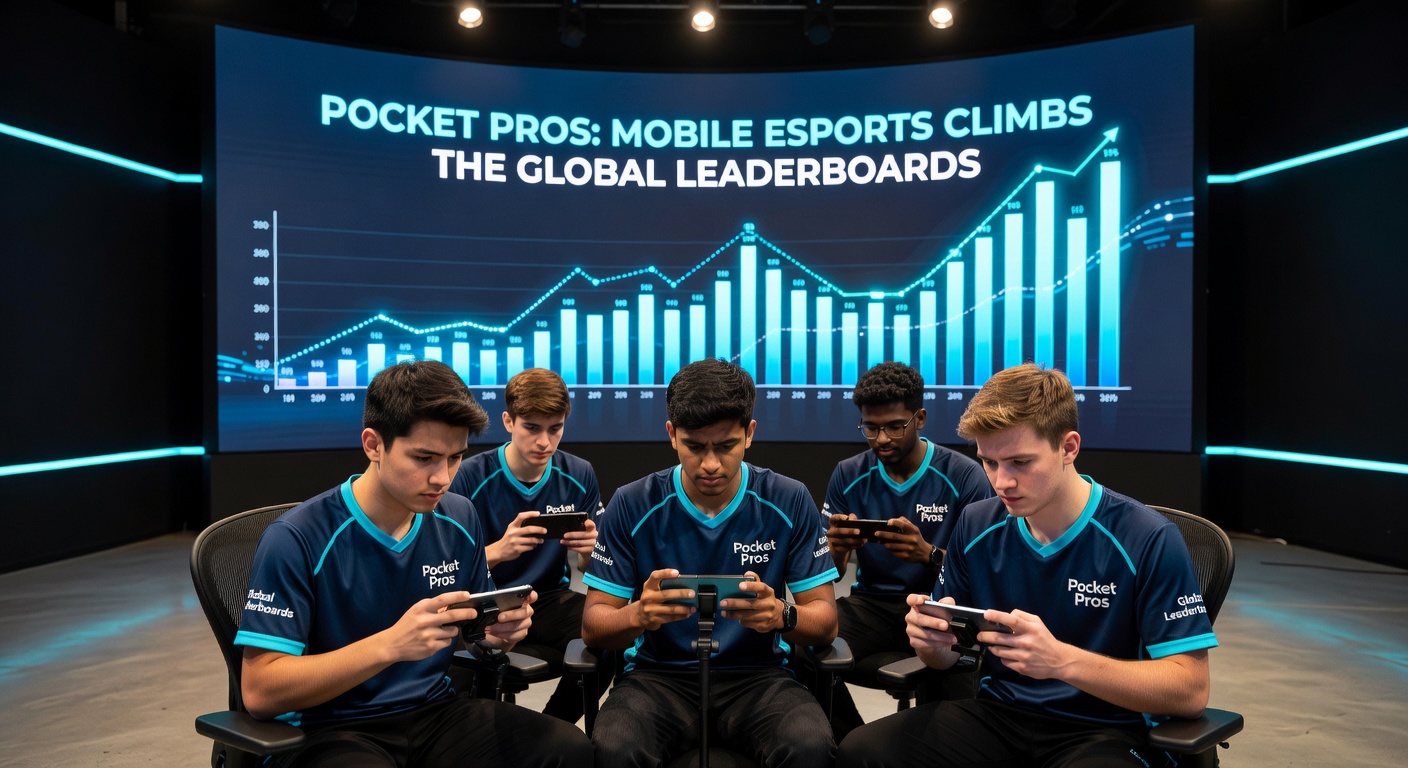
Mobile esports has rocketed from underground tournaments to global spectacles, drawing millions of viewers who tune in via apps and streams while pros battle it out on devices tucked in pockets. Data from Newzoo's 2025 Global Games Market Report reveals the segment pulled in over 500 million peak viewers last year alone, surpassing traditional PC leagues in several key markets; that's no small feat when smartphones now pack the processing power to handle intricate multiplayer showdowns without a hitch. And as April 2026 unfolds, events like the Mobile Legends: Bang Bang Mid-Season Cup in Manila showcase this momentum, with live crowds exceeding 50,000 and online streams hitting 10 million concurrent watchers.
What's driving this climb? Accessibility plays a huge role, since anyone with a mid-range phone can jump into ranked matches, building skills that translate to pro circuits; observers note how free-to-play models lower barriers, turning casual players into leaderboard climbers overnight. Take teh case of a teenager from rural India who topped PUBG Mobile's Asia server in early 2026, snagging a spot on Team Soul and a six-figure contract, all from a device costing under $200.
Tracing the Roots: From Arcade Sideshows to Stadium Fillers
The journey kicked off around 2016 with Clash Royale's debut at ESL Play, but games like PUBG Mobile and Free Fire turbocharged the scene by 2018, offering battle royale chaos optimized for touchscreens; developers fine-tuned controls for thumb precision, and suddenly esports orgs like Team Liquid pivoted budgets toward mobile squads. By 2020, amid pandemic lockdowns, viewership exploded because mobile gaming didn't demand fancy rigs, just a stable connection, which led to Free Fire World Series peaking at 5.4 million viewers according to Esports Charts data.
Fast-forward to today, and the ecosystem thrives on structured leagues; Southeast Asia leads with MPL Philippines drawing sponsorships from telecom giants, while China's Weibo Gaming hosts invite-only qualifiers that feed into massive national championships. Experts who've tracked this evolution point out how 5G rollout in regions like South Korea and Brazil slashed latency issues, enabling butter-smooth 120 FPS tournaments that feel as responsive as wired setups.
Dominating Titles and the Pros Who Master Them
PUBG Mobile remains king of the hill, with its Global Championship in 2025 boasting a $3 million prize pool split among 32 teams; players like Paraboy from China's Nova Esports dominate leaderboards through pinpoint grenade throws and vehicle jukes executed via swipe gestures. Mobile Legends: Bang Bang follows close, especially in Indonesia where pro scenes rival soccer fandom, and its M6 World Championship saw 3.2 million peak viewers last fall.
But here's the thing: emerging challengers like Call of Duty: Warzone Mobile are shaking things up, integrating cross-play leaderboards that pit iOS users against Android rivals in real-time; data indicates these titles now command 40% of all esports hours watched globally. And in April 2026, Brawl Stars' Monthly Finals just wrapped with a Brazilian squad claiming top spot, their Supercell-backed run highlighting how cartoonish brawlers pack pro-level depth through gem-grabbing macro plays.
Pros adapt uniquely to mobile constraints; they train on emulators for macro precision yet drill thumb endurance on actual devices, since heat throttling can tank performance mid-clutch. One study from the International Journal of Esports found that top mobile players average 12 hours daily on custom grip attachments, building calluses that give them an edge in marathon best-of-fives.
Global Hotspots: Where the Action Heats Up
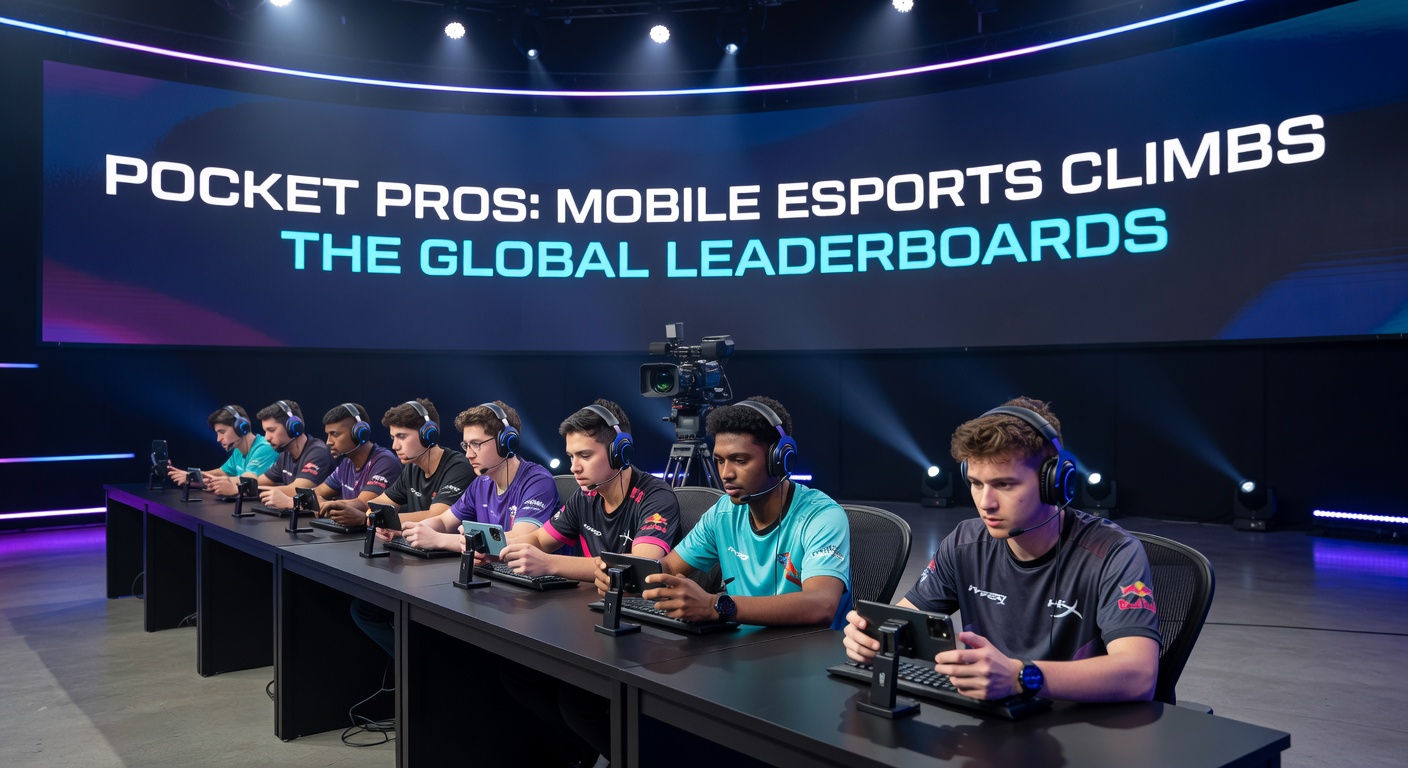
Southeast Asia owns the throne for sheer volume, with the Philippines and Indonesia hosting arenas that sell out faster than K-pop concerts; MPL events there generated $150 million in economic impact last year per local tourism boards, fueling academies that scout talent from provincial qualifiers. India surges next, as BGMI (PUBG Mobile's regional variant) exploded post-2023 ban lift, with 100 million monthly actives climbing leaderboards en masse.
Latin America keeps pace too, Brazil's Free Fire leagues drawing samba-infused crowds while Mexico's COD Mobile circuit partners with telecoms for nationwide streams. Even North America ramps up, with EVO Japan 2026's mobile side event pulling 200,000 entrants; Europe's scene grows steadily, though regulatory nods from bodies like Germany's GEMA help streamline broadcasts. Figures from the Entertainment Software Association's 2025 report show U.S. mobile esports participation up 35% year-over-year, thanks to college circuits at schools like USC.
China's walled garden adds intrigue; state-backed events via Tencent enforce strict training regimens, producing mechanical gods who export to international rosters, although visa hurdles sometimes sideline them from globals.
Numbers That Pack a Punch: Viewership, Prizes, and Revenue
Turns out the stats paint a blockbuster picture: mobile esports viewership hit 2.1 billion hours in 2025, per Newzoo, outpacing console by 15% in emerging markets; prize pools swelled to $50 million aggregate, with PMGC 2026 qualifiers already dangling $5 million for Doha finals. Sponsors flock in, from Red Bull energy shots to smartphone makers hawking cooling pads, because ROI shines through viral clips shared billions of times on TikTok and YouTube Shorts.
Revenue streams diversify too; in-app purchases fund grassroots tournaments, while streaming platforms like Huya and Trovo rake in ad dollars from Gen Z audiences who multitask watches with ranked grinds. Observers note a key shift: women's divisions in titles like Arena of Valor now mirror main events, boosting inclusivity and doubling some regional viewerships.
Tech Edges and Hurdles on the Horizon
Innovations propel the climb; cloud gaming hybrids like Google's Stadia remnants let low-end phones stream 4K tournaments, while AI-driven anti-cheat from companies like FairFight scans for aimbots in real-time, banning thousands weekly. Yet challenges persist: device fragmentation means Android pros tweak settings obsessively for parity with iPhones, and battery drain forces mid-match swaps that test team logistics.
Geopolitical tensions occasionally disrupt, as seen in India's self-reliant push with FAU-G Mobile, but cross-region collabs endure. And as 5G evolves to 6G prototypes in South Korea, latency drops below 1ms, promising holographic sidelines for fans glued to their screens.
People who've studied the space highlight sustainability efforts too; orgs like TSM Mobile adopt solar-powered venues, aligning with global green gaming mandates from the EU's Digital Markets Act enforcers.
Conclusion: Leaderboards Poised for Bigger Battles
Mobile esports has cemented its spot atop global gaming, with April 2026 tournaments underscoring a trajectory toward mainstream dominance; billions watch, millions compete, and economies boom around pocket-sized arenas that anyone can access. Data projects the market doubling by 2028, as titles innovate and regions unite under shared leaderboards, ensuring pros from Manila shanties to Mumbai high-rises vie for glory on equal digital footing. The ball's now in developers' and regulators' courts to nurture this ascent without stumbles.