Player Retention Metrics Reveal Patterns in Seasonal Event Design Across Persistent Worlds
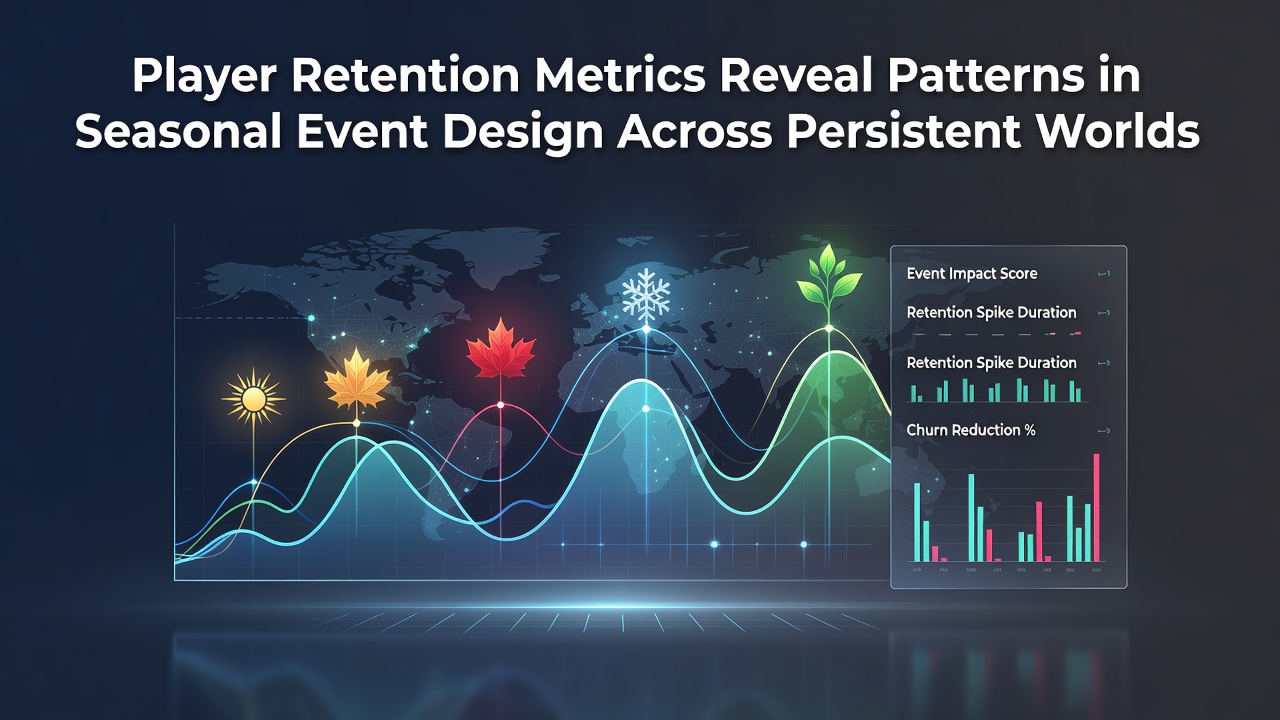
Persistent worlds in multiplayer titles maintain ongoing player bases through structured seasonal events that align with retention data collected over multiple cycles, and analysts track metrics such as daily active users, session duration, and return rates to identify recurring trends in how these events influence participation levels across platforms.
Core Metrics Driving Event Analysis
Retention figures break down into categories including day-one return rates, seven-day active streaks, and thirty-day churn calculations, while developers compile these numbers from backend logs that capture login frequency alongside in-game activity timestamps, and patterns emerge when events coincide with calendar shifts such as equinox periods or cultural holidays that prompt increased logins across regions.
Data from titles operating since the mid-2010s shows that reward structures tied to limited-time objectives produce measurable spikes in concurrent users, yet sustained engagement depends on how those rewards integrate with core progression systems rather than functioning as isolated additions, and observers note consistent correlations between event length and peak participation windows that typically last between fourteen and twenty-one days before tapering.
Design Elements That Shape Participation Curves
Seasonal events incorporate themed quests, collaborative challenges, and time-gated cosmetics that encourage repeated visits, and retention curves flatten when events overload players with simultaneous objectives whereas balanced pacing maintains steadier login patterns throughout the duration, according to aggregated telemetry reviewed by development teams at multiple studios.
Geographic variations appear in how northern hemisphere summer events perform compared with southern counterparts, and July 2026 reports from monitoring services highlighted elevated session lengths during aquatic or outdoor-themed activities in games that adjusted content based on real-world climate data from player locations.
Observed Patterns Across Multiple Titles
One recurring structure involves introductory phases that ease new or returning players into mechanics followed by escalating difficulty tiers that reward consistent participation, and this sequence correlates with higher completion percentages in post-event surveys collected from persistent world communities, while titles that skip introductory layers experience steeper drop-offs after the first week.
Community-driven elements such as shared leaderboards or group achievements extend retention beyond individual play sessions, and figures reveal that events featuring cross-server coordination maintain active user counts at elevated levels for longer intervals than solo-focused alternatives, with data points collected during 2025 cycles confirming these trends across both free-to-play and subscription models.
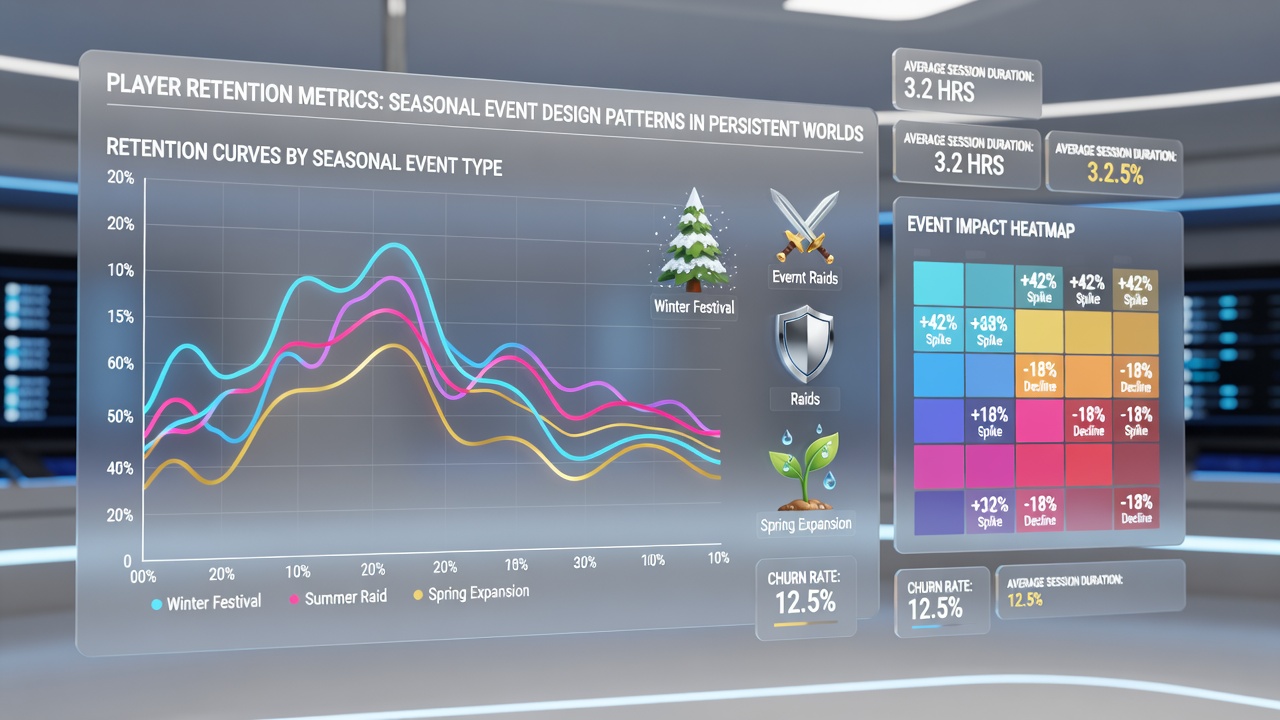
Integration with broader game economies also factors into the patterns, as events that introduce tradeable items or currency adjustments influence market stability and player investment over time, whereas isolated cosmetic drops produce shorter retention tails according to economic modeling shared in industry roundtables.
Regional and Platform Influences on Event Outcomes
Platform-specific data from console and PC ecosystems shows differing responses to the same seasonal content, and mobile versions of persistent worlds often record higher daily check-in rates during events due to push notification systems that align with user routines, while desktop players demonstrate longer individual sessions but lower overall return frequency in comparative studies.
Reports compiled by the Entertainment Software Association in early 2026 outlined how seasonal timing interacts with school calendars and work schedules to affect participation demographics, and parallel analyses from European research consortia added context on cross-border event reception in multilingual communities.
Longitudinal Trends Through 2026
Tracking over successive years indicates that iterative refinements to event structures based on prior retention data lead to incremental improvements in baseline engagement, and titles that cycle content from previous seasons with updated mechanics sustain interest among veteran populations while attracting newer participants through refreshed presentation layers.
July 2026 datasets further illustrated how mid-year events positioned between major annual expansions help bridge content gaps and reduce churn during transitional periods, with metrics demonstrating steadier user graphs when events incorporate feedback loops from community forums and in-game polling tools.
Conclusion
Retention metrics continue to guide iterative adjustments in seasonal event design for persistent worlds, and the documented patterns underscore connections between reward timing, social features, and platform adaptations that shape participation across global player bases, while ongoing data collection supports refinements that align event calendars with observed behavioral cycles in these environments.