How Sales Signals and Score Alignments Guide Franchise Expansion Decisions

Video game publishers track sales figures alongside review scores when determining whether to expand established franchises across new platforms, regions, or media types, and data from multiple industry reports shows clear correlations between these metrics and subsequent investment choices. Companies examine unit sales trajectories during the first six months after launch while cross-referencing critic and user scores from aggregate sites, then align those signals to decide on sequels, spin-offs, or broader distribution deals.
Sales Data as Primary Expansion Triggers
Publishers monitor weekly sales reports from firms like Circana to identify titles that maintain momentum beyond initial release windows, and those figures often determine allocation of development resources for follow-up projects. When a game exceeds projected units sold in its first quarter, teams frequently receive approval for expansions into mobile formats or additional console generations, whereas underperforming titles see budgets redirected elsewhere. Research from the Entertainment Software Association indicates that North American retail and digital sales combined reached 56.6 billion dollars in recent years, providing a baseline against which individual franchise performance gets measured before any growth decisions proceed.
Regional variations matter because European markets often show different purchasing patterns than Asian territories, and analysts compare these datasets side by side to spot opportunities for localized versions. A franchise that sells strongly in one area but lags in another may receive targeted marketing pushes or porting to handheld devices rather than full-scale sequels, since the alignment of revenue streams across territories influences whether expansion feels financially viable.
Score Alignments and Their Predictive Value
Metacritic and OpenCritic aggregates serve as secondary filters because studies have documented that games maintaining scores above 80 often sustain longer sales tails, and this pattern guides decisions about multi-year franchise roadmaps. When review scores cluster tightly with sales velocity, development studios receive clearer signals about audience reception, which in turn affects choices around downloadable content schedules or cross-platform releases scheduled for later quarters. Observers note that misalignment between high review marks and weak sales sometimes prompts deeper investigation into distribution issues or platform-specific bugs before further investment occurs.
Teams also track user-generated scores from storefronts like Steam and PlayStation Network because these real-time indicators reveal ongoing engagement levels months after launch. Data shows that sustained positive user feedback frequently precedes announcements of expanded editions or remastered collections, while declining scores can halt plans for broader geographic rollouts.
Integrated Decision Frameworks in Practice
Executives combine sales curves with score data into weighted models that forecast return on investment for potential expansions, and these models incorporate variables such as development costs, marketing spend, and expected attach rates for peripherals. One documented approach involves setting thresholds where average review scores above a certain mark combined with sales exceeding a baseline number trigger automatic green lights for new projects, whereas borderline cases undergo additional market testing. Industry reports from firms operating in Canada and Australia confirm that similar frameworks appear across multiple publishers, though exact weightings differ based on company size and portfolio diversity.
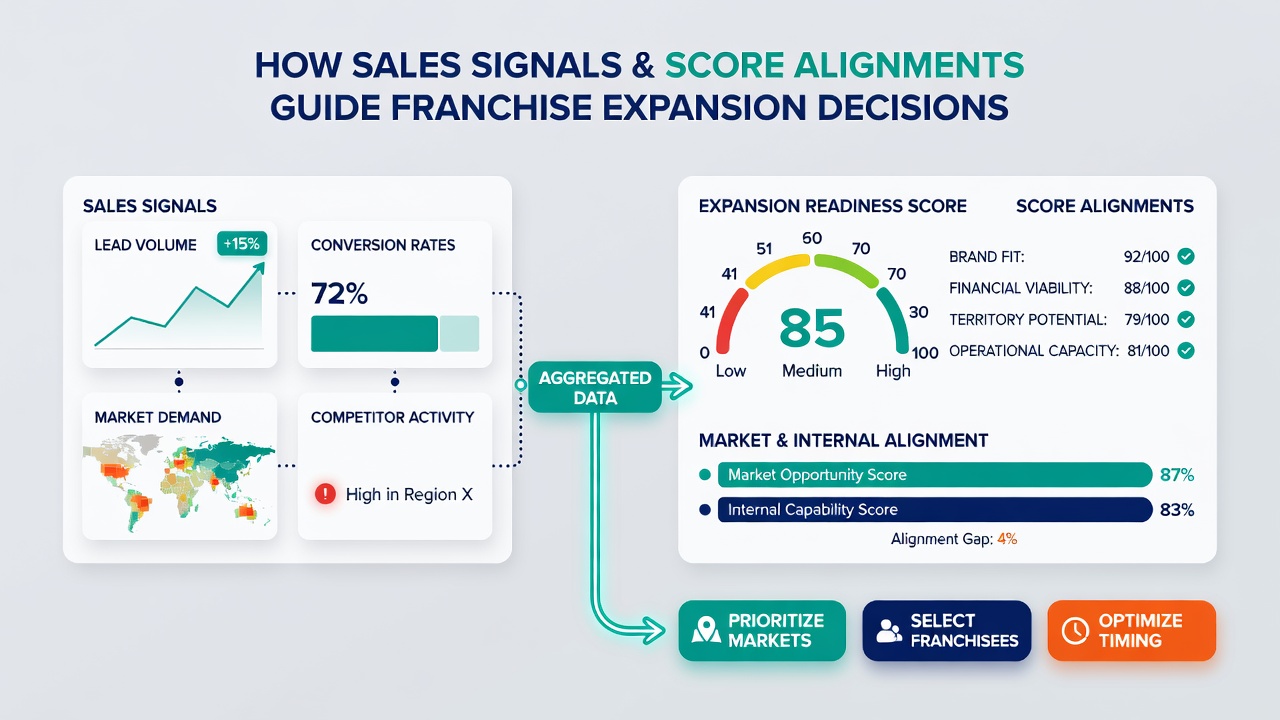
Timing plays a role as well because quarterly earnings calls often coincide with announcements of new franchise entries, and alignment between strong prior performance data and upcoming release windows strengthens investor confidence. In June 2026, several publishers are expected to release mid-year performance updates that will likely reference these combined signals when outlining expansion strategies for the second half of the year.
Platform and Regional Considerations
Expansion into emerging platforms such as cloud streaming services requires separate analysis of sales potential and score reception because audience demographics shift across delivery methods. Publishers evaluate whether existing franchises maintain score consistency when adapted to subscription models, since data from multiple territories shows variable retention rates depending on access method. European regulatory bodies alongside Asian market research groups have published comparative studies highlighting how these factors diverge by region, prompting tailored expansion roadmaps rather than uniform global strategies.
Those who study franchise longevity observe that repeated alignment between sales growth and review stability tends to produce longer-lasting series, while repeated mismatches often lead to franchise pauses or pivots toward new intellectual properties. Budget reallocations follow directly from these patterns, with resources flowing toward projects demonstrating both commercial traction and critical approval.
Conclusion
Franchise expansion decisions rest on measurable intersections of sales performance and review score consistency, and available industry data continues to demonstrate how publishers apply these signals across different markets and platforms. Continued tracking of quarterly results and aggregate scoring systems will likely shape future investment patterns as new release cycles unfold.