How Community-Driven Modding Ecosystems Reshape Core Mechanics in Long-Running Simulation Franchises
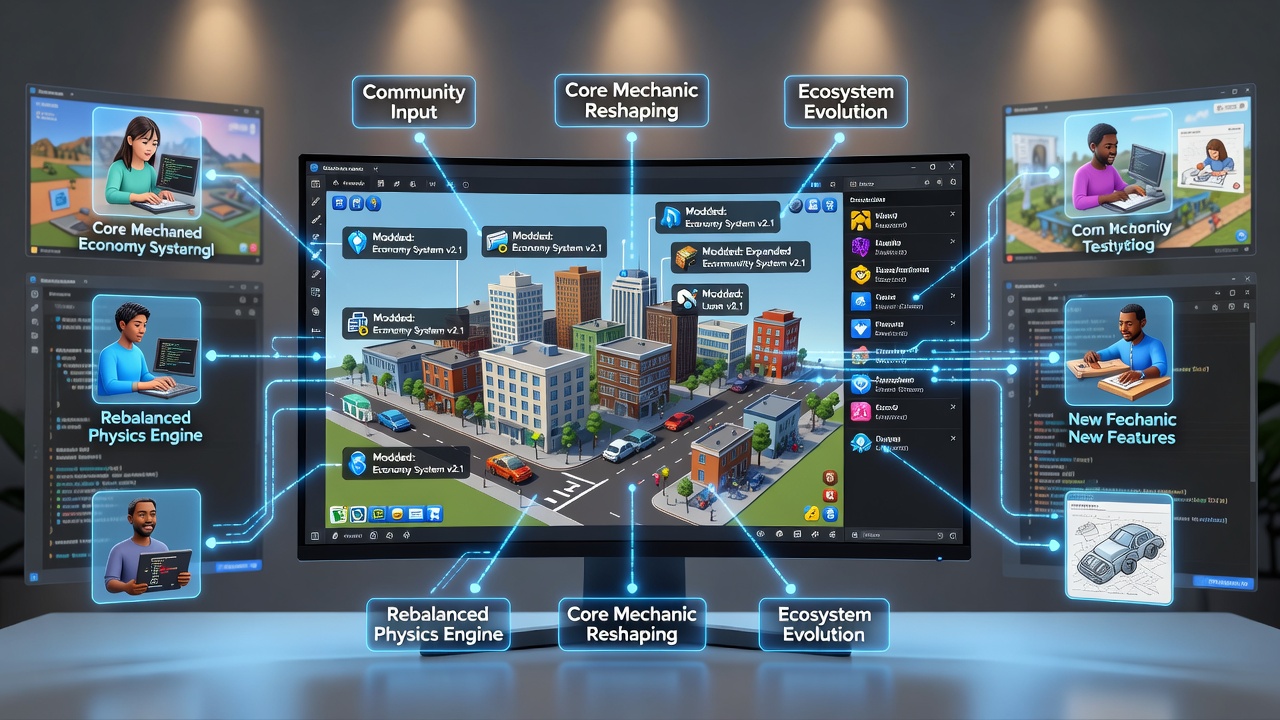
Community-driven modding has altered core mechanics in simulation franchises over multiple decades, and developers have integrated player-created changes into official updates across titles like The Sims and Cities: Skylines. These ecosystems operate through shared repositories where users upload code alterations that adjust resource management, environmental simulation, and agent behavior systems. Data from platform analytics shows millions of downloads annually for such modifications, which often refine economic models or pathfinding routines that base games handle through simplified algorithms.
Origins of Modding Influence in Simulation Titles
Simulation franchises began incorporating mod support in the early 2000s when developers released toolkits alongside major releases, allowing users to edit object properties and script interactions. In The Sims series, early modifications expanded household AI routines beyond original parameters, and players shared these files through dedicated forums. Researchers at institutions such as the University of Melbourne documented how these adjustments led to new social dynamics that the core engine did not anticipate, prompting developers to review community repositories during patch cycles. By 2015, modding tools for Cities: Skylines enabled changes to traffic simulation layers, and user contributions demonstrated measurable improvements in congestion modeling compared to default calculations.
Mechanics Reshaped Through Collective Input
Core systems in long-running simulations undergo transformation when modders target specific variables. Economic loops in city-building games receive revisions through custom taxation scripts that introduce progressive rates or sector-specific multipliers, and these alterations spread via workshop integrations. Observers note that weather and climate mechanics in farming simulations gain layers of procedural generation from community code, which extends beyond initial rainfall or temperature thresholds. In June 2026, ongoing patches for established franchises continue to reference popular mod features, such as enhanced citizen happiness calculations that account for education pathways and leisure activities in greater detail than stock versions provide.
Case Examples from Established Franchises
Take the evolution of agent navigation in The Sims 4, where community patches introduced multi-floor pathing optimizations that reduced idle times during daily routines. Developers later adopted similar techniques in official updates after reviewing download statistics and compatibility reports. Another instance appears in Transport Fever series, where players modified rail network throughput equations to handle higher volumes without artificial caps, and these adjustments influenced subsequent expansion packs that recalibrated transport efficiency formulas. Figures from industry reports reveal that modded versions often extend play sessions by 40 percent or more in simulation environments, as tracked through voluntary user telemetry programs.
Developer Integration Patterns
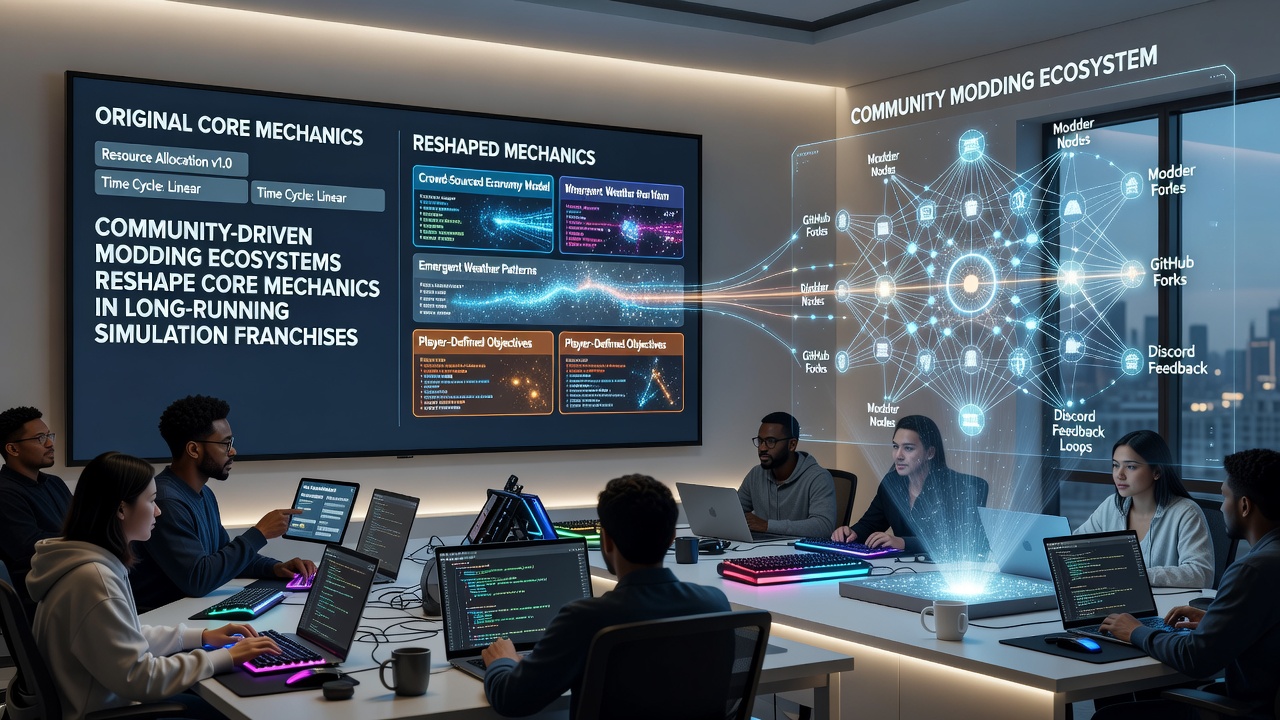
Franchise teams monitor mod repositories to identify recurring mechanical gaps, and they incorporate refined versions into base updates rather than maintaining separate branches. This process appears in Microsoft Flight Simulator ecosystems, where community flight model tweaks for specific aircraft led to official aerodynamic adjustments in 2024 and 2025 releases. Studies from the Interactive Software Federation of Europe indicate that such feedback loops accelerate iteration timelines, with simulation titles releasing major mechanic overhauls within 18 months of widespread mod adoption. The approach maintains compatibility through standardized modding APIs that prevent conflicts during version transitions.
Data Patterns and Platform Metrics
Analytics platforms report that simulation modding activity peaks during the first two years after launch, then stabilizes as core changes migrate into official content. Download volumes for mechanics-focused mods exceed those for cosmetic additions in several franchises, according to aggregated figures from digital distribution services. Academic analyses conducted across North American and European universities highlight correlations between mod complexity and player retention rates, particularly when modifications address simulation depth in resource allocation or environmental interaction layers. These patterns hold across PC-centric titles that support extensive scripting environments, while console versions rely more on curated official expansions derived from community precedents.
Conclusion
Modding ecosystems continue to supply iterative refinements to simulation mechanics, and long-running franchises benefit from this distributed development model through sustained engagement and expanded feature sets. Platform tools and API standards facilitate the transition of community innovations into canonical updates, while data tracking provides quantitative backing for which alterations gain traction across player bases. This cycle persists as new titles adopt similar support structures from launch.