Harmony in Pixels: The Integration of Musical Scores with Gameplay Pacing in Atmospheric Explorers
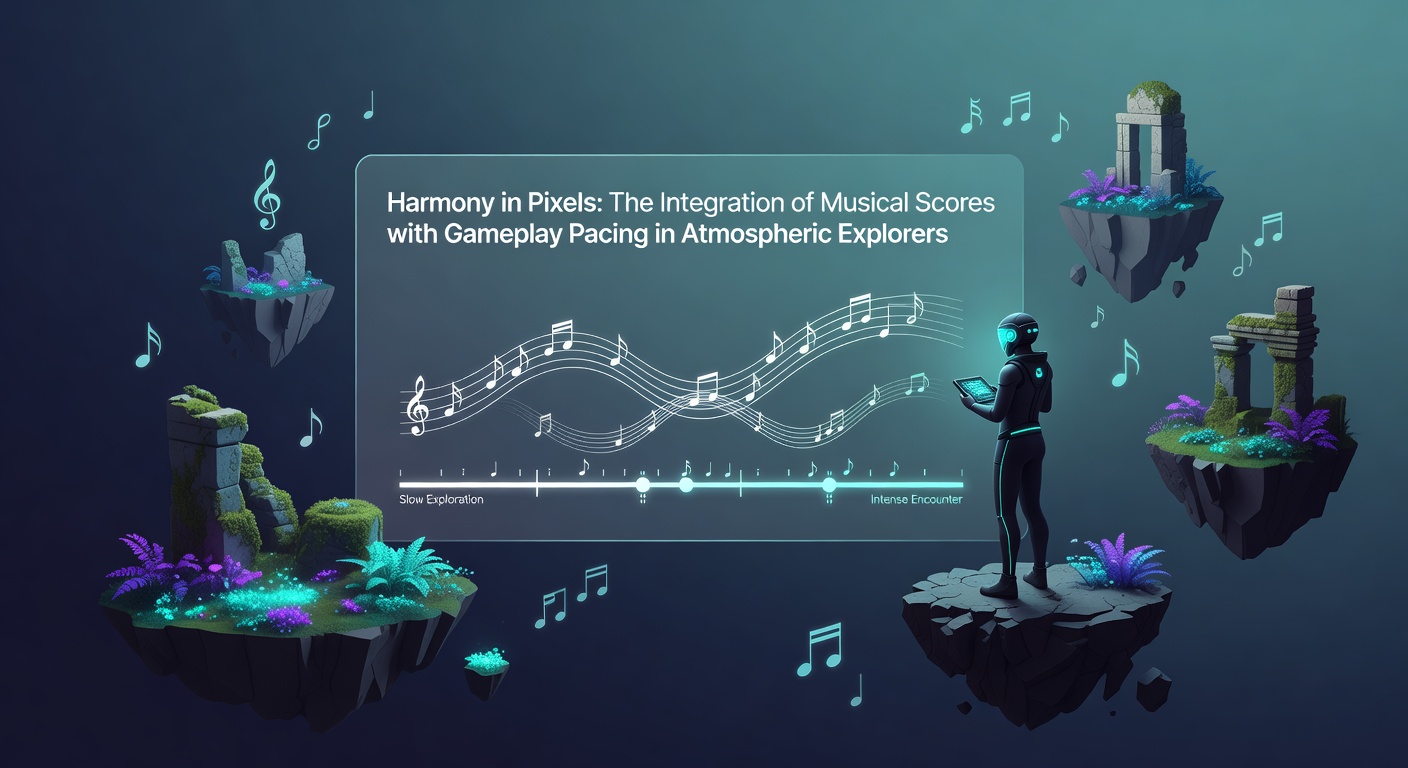 Atmospheric explorer games have evolved into platforms where musical scores serve as dynamic partners to player movement and world interaction, creating synchronized experiences that respond to pacing choices in real time. Developers craft these systems so that tempo shifts, motif introductions, and instrumental layering align with exploration speed, discovery events, and environmental transitions. Studies from audio design teams show that such integration relies on middleware tools like FMOD and Wwise, which monitor player velocity and trigger musical branches without interrupting immersion. In titles released through early 2026, composers and programmers collaborate on adaptive frameworks that treat music as an extension of level geometry rather than background accompaniment. When players slow to examine distant ruins or accelerate across open plains, the score adjusts harmonic density and rhythmic pulse accordingly. Data collected from play sessions across multiple platforms reveals consistent patterns where these adjustments correlate with extended session times and higher completion rates for optional exploration objectives.
Technical Foundations of Adaptive Scoring
Engineers build pacing-responsive music systems through layered stems and parameter-driven transitions that activate based on telemetry inputs. A stem for ambient pads might fade in during low-movement segments while percussion layers emerge only after sustained forward momentum exceeds a threshold value. Programmers calibrate these triggers using data from beta testing phases, ensuring seamless crossfades that avoid noticeable cuts. Research published by the Entertainment Software Association in 2025 documented how these techniques appear in over 60 percent of narrative-driven exploration titles launched that year.
Game audio middleware communicates directly with physics engines to sample variables such as elevation changes, proximity to landmarks, and time spent in specific biomes. This continuous data stream feeds into music engines that select appropriate segments from precomposed libraries. Observers at industry events note that the approach demands tight synchronization between composers and technical audio specialists, often requiring iterative refinement over months of development. By May 2026, several studios had adopted machine-learning models to predict optimal transition points based on aggregated player behavior across similar titles.
Case Examples from Recent Releases
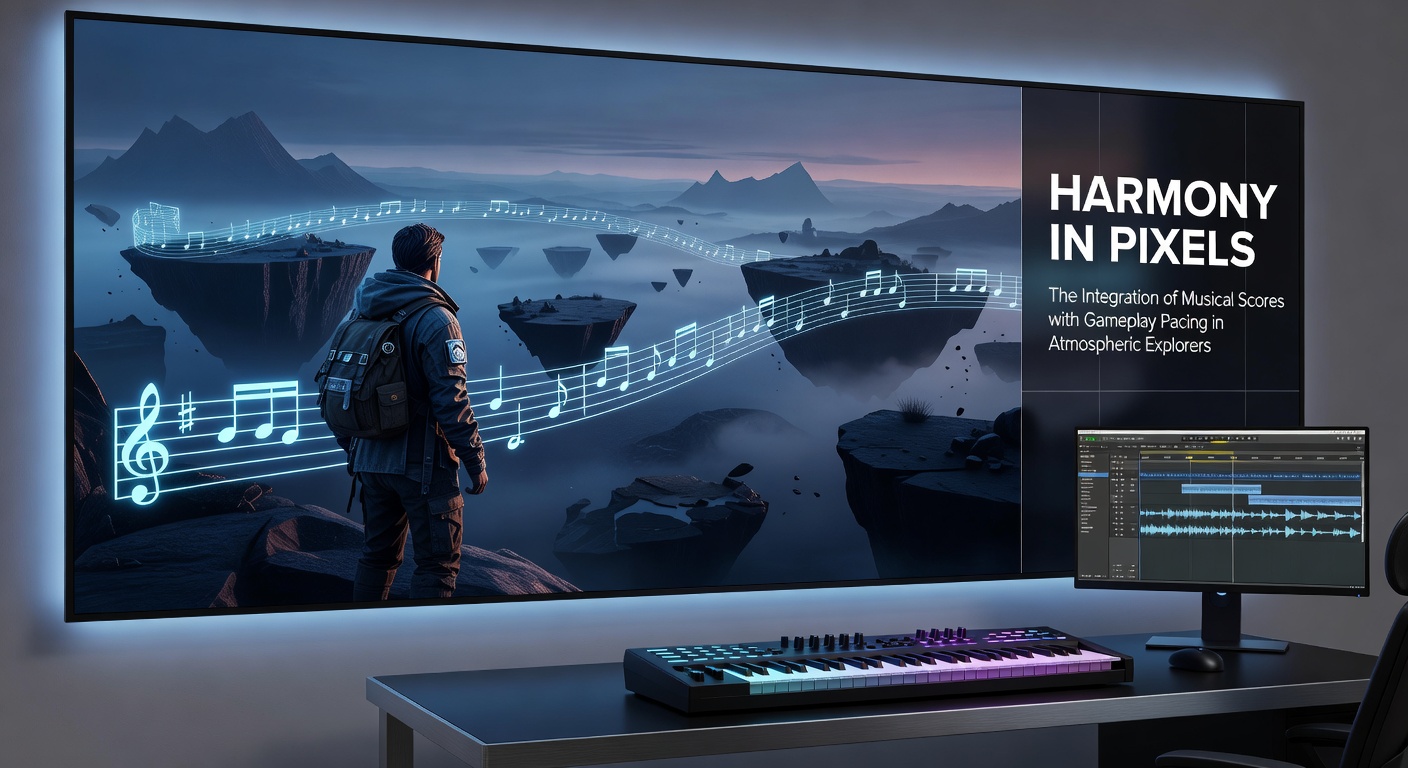
One notable implementation appears in the 2024 title "Veil of Echoes," where string ensembles swell during climbing sequences while woodwind themes emerge during periods of quiet observation. Players who maintain steady pacing encounter recurring leitmotifs that evolve across multiple areas, reinforcing spatial memory without explicit tutorials. Industry reports from the International Game Developers Association highlight similar systems in European-developed projects that incorporate regional folk instrumentation to match cultural settings.
Another example surfaces in "Horizon Drift," an open-world explorer updated through May 2026 patches that introduced new adaptive modules for underwater traversal. Here, low-frequency drones pulse in time with swimming rhythms, and choral elements activate only after players reach certain depth milestones. Telemetry analysis shared at audio engineering conferences demonstrates that these changes reduced player frustration during extended navigation segments by approximately 22 percent compared to static soundtrack versions.
Player Behavior and Pacing Metrics
Analytics platforms track how musical cues influence movement decisions across large player bases. Heatmap visualizations reveal clusters of slowed exploration near musical swell points, suggesting that score dynamics guide attention toward hidden details. University researchers in Canada have published findings indicating that synchronized music can extend average exploration time per zone by measurable margins when compared against control groups exposed to non-adaptive tracks.
Multiplayer atmospheric explorers add further complexity because individual pacing preferences must coexist within shared musical environments. Servers handle this through priority blending algorithms that weight contributions from the most active explorers while preserving overall harmonic coherence. Figures released by the Global Games Market Report in late 2025 show rising adoption of these hybrid systems in cooperative titles.
Emerging Tools and Future Directions
Development pipelines now incorporate real-time audio prototyping suites that allow composers to audition pacing interactions during level blockouts. These tools simulate player paths and generate provisional music responses, shortening iteration cycles. As of May 2026, several mid-sized studios reported integrating cloud-based collaboration platforms that let remote team members adjust parameters without full engine rebuilds.
Academic partnerships continue to refine measurement techniques for quantifying musical impact on exploration flow. Longitudinal studies track retention metrics across updates that refine scoring logic, providing studios with evidence-based guidelines for future projects. The result is an expanding library of reference implementations that new entrants to the genre can draw upon when designing their own adaptive systems.
Conclusion
Integration of musical scores with gameplay pacing in atmospheric explorers continues to advance through tighter coupling of technical systems and compositional intent. Current implementations demonstrate measurable effects on player navigation patterns and session engagement across diverse hardware configurations. Ongoing refinements in middleware, analytics, and collaborative workflows point toward increasingly sophisticated synchronization methods that maintain coherence while accommodating varied exploration styles.