Glitch Hunters: Precision Timing and Route Optimization in Speedrun Mastery
Glitch Hunters: Precision Timing and Route Optimization in Speedrun Mastery
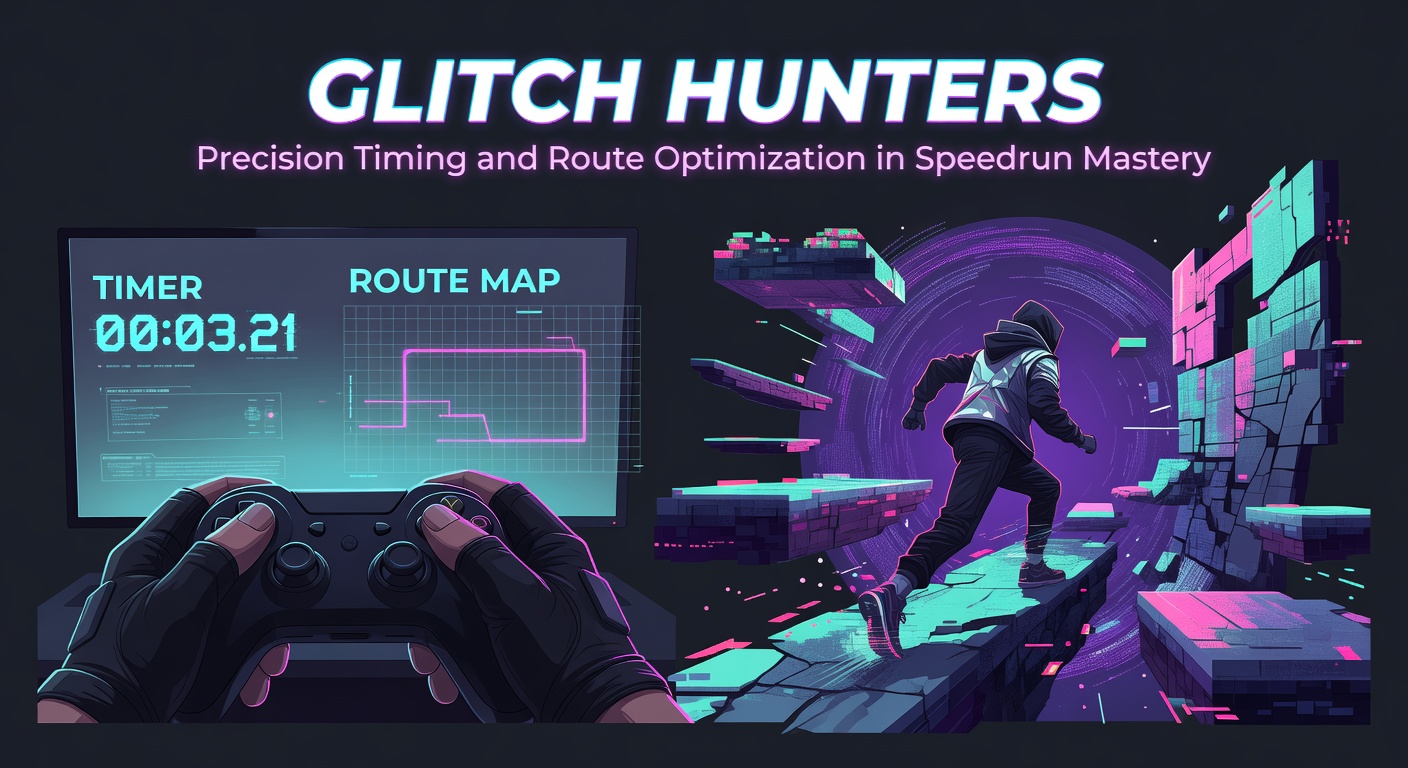
The World of Speedrunning Unfolds
Speedrunners push video games beyond their intended limits, racing through levels in record times by mastering glitches, optimizing routes, and nailing timings down to individual frames; observers note how this niche community has exploded in popularity, with platforms like Speedrun.com hosting leaderboards for thousands of titles where times drop by seconds or even minutes through sheer ingenuity.
But here's the thing: glitch hunters, those dedicated players who dissect code and mechanics, form the vanguard, spending hundreds of hours mapping exploits that shave fractions off world records; data from community archives reveals over 500 new glitches documented in major titles last year alone, fueling a cycle of innovation that keeps the scene alive and evolving.
Take Super Mario 64, where runners like Alkaro have chained parallel universes glitches to warp across the entire game in under 13 minutes, a feat that relies on pixel-perfect positioning combined with controller inputs synced to the game's 30 frames-per-second engine; such runs highlight how precision timing isn't just skill, it's a science backed by frame-by-frame analysis.
Precision Timing: The Heartbeat of Every Run
Experts in the field emphasize frame-perfect inputs, where runners must hit buttons within a single 1/60th-second window on console emulators or native hardware, since even a millisecond delay resets the entire sequence; tools like LiveSplit provide real-time frame counters, allowing runners to practice segments until muscle memory aligns perfectly with engine ticks.
And yet, RNG manipulation adds another layer, as runners in games like The Legend of Zelda: Ocarina of Time seed random number generators through precise pauses or enemy interactions, ensuring favorable drops or enemy behaviors every attempt; studies from gaming researchers at the University of Toronto indicate that top runners achieve 99% consistency in these manipulations after logging thousands of practice hours.
What's interesting is how audio cues factor in too; glitch hunters sync jumps to sound effects, which serve as reliable frame timers because game audio processes independently from visuals, creating windows as narrow as two frames for boosts in titles like Celeste.
Short and sweet: one mistimed input, and the run crumbles.
Route Optimization: Mapping the Fastest Paths
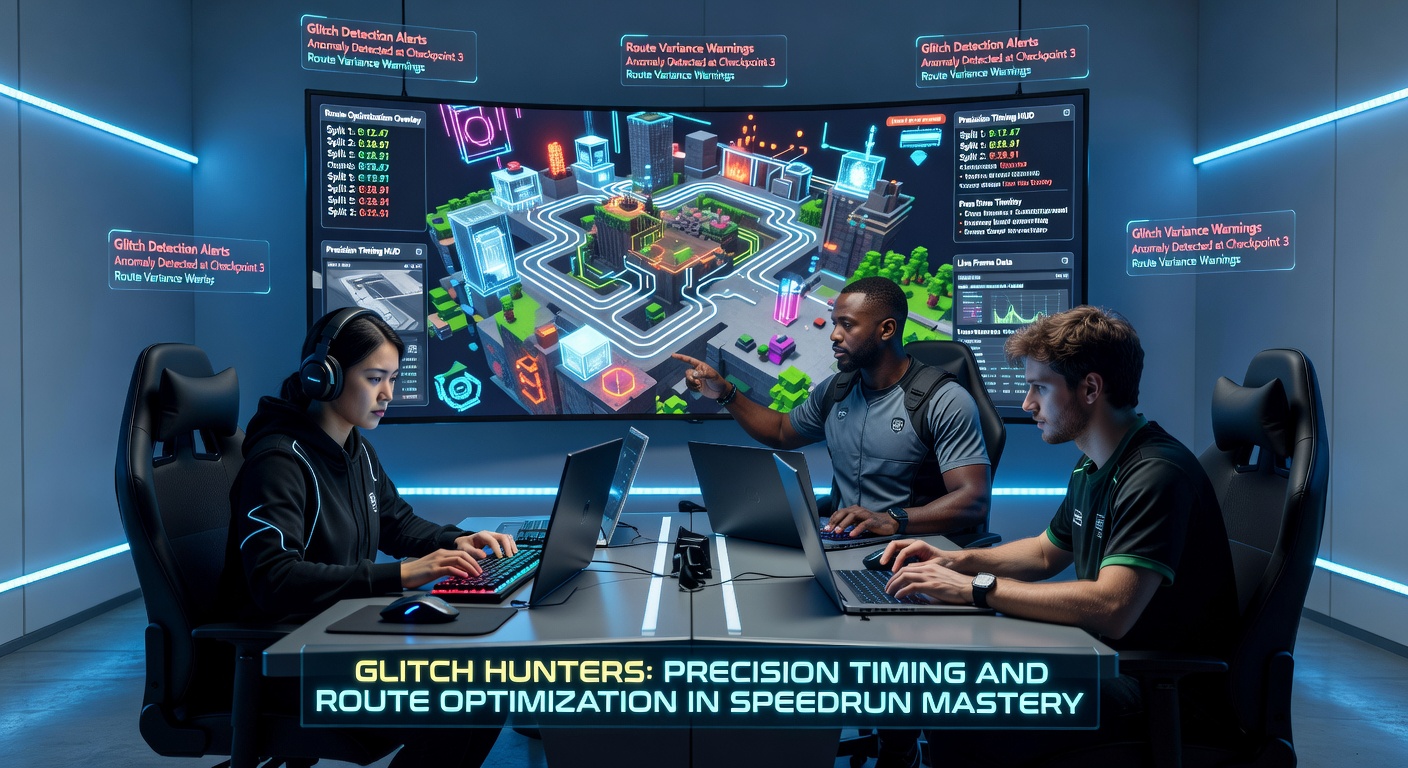
Runners treat levels like graphs in a pathfinding algorithm, plotting nodes of glitches, skips, and shortcuts that minimize total distance while maximizing speed boosts; software such as RouteBot automates initial optimizations by simulating thousands of variations, though human intuition refines the final paths, as seen in Dark Souls any% runs where the "Wrong Warp" glitch collapses the game into a 4-minute sprint.
Turns out, community collaboration drives this forward; forums on Speedrun.com buzz with route-sharing threads, where one runner's discovery in Hollow Knight cascades into leaderboard shuffles across categories, with data showing average world record improvements of 5-10% per major route update.
But route optimization extends to resource management too, balancing health pickups against time loss from detours, or manipulating enemy AI paths to create living shortcuts; in crash-heavy categories like GTA: San Andreas, runners chain vehicle physics exploits, optimizing crash vectors that propel characters across maps in seconds.
Figures from the Games Done Quick marathon archives reveal how optimized routes have halved completion times in some games over the past decade, turning hour-long playthroughs into blistering 20-minute dashes.
Glitches: The Secret Weapons Uncovered
Glitches emerge from engine quirks, buffer overflows, or unintended state transitions, which hunters probe using debuggers like Cheat Engine to reverse-engineer memory addresses; one notable case involves the Doom speedrun scene, where runners exploit wall-clipping via precise angle calculations, clipping through barriers at velocities exceeding game caps.
So, categories split into glitchless for purists and glitched for maximalists, with the latter dominating viewership; observers point to Portal's "save glitch" chains, where state reloading teleports players across puzzles, optimized routes folding the 90-minute campaign into six minutes flat.
It's noteworthy that patch updates often kill glitches, prompting hunters to pivot to older revisions or mods, although emulation preserves classics indefinitely; research from the Entertainment Software Association's annual reports underscores how this glitch-hunting culture boosts replay value, drawing millions to streams annually.
Yet glitches demand verification; leaderboard moderators scrutinize runs frame-by-frame, disqualifying loads or resets, ensuring integrity across a global field.
Tools and Tech Powering the Hunt
Modern setups blend hardware and software seamlessly, from high-DPI mice for subpixel movements to oscilloscopes measuring controller latency down to microseconds; OBS Studio captures splits, while TAS (Tool-Assisted Speedrun) videos preview human-possible routes by slowing to frame advances.
And in April 2026, as the Awesome Games Done Quick spring event ramps up preparations—slated for late that month with a focus on glitch showcases—runners integrate AI-assisted timing predictors, tools that analyze past runs to forecast optimal inputs, according to previews from the organizers.
Community bots on Discord parse routes in real-time, suggesting optimizations mid-session; data indicates these tech aids have accelerated WR turnover, with some games seeing records broken weekly.
Short version: tech levels the field, but execution separates the elite.
Community Dynamics and Record-Chasing Thrills
Leaderboards on Speedrun.com foster rivalries, where a new WR sparks verification frenzies and counter-runs within hours; marathons like European Speedrunners Association events pack auditoriums, raising funds while showcasing optimized masterpieces live.
Take ZFG's Ocarita of Time mastery, chaining RNG skips into a 14-minute any%, a route that evolved through forum debates and shared practice footage; such stories ripple outward, inspiring newcomers who start with simple skips before diving into glitch depths.
What's significant is the mentorship loop, veterans coaching timings via annotated videos, building a knowledge base that outpaces any solo effort; stats from Twitch trackers show speedrun streams peaking at over 100,000 concurrent viewers during major WR races.
Challenges persist though, like hardware variances between NTSC and PAL regions, which alter frame rates and glitch viability, forcing region-specific leaderboards.
Conclusion
Glitch hunters redefine mastery through precision timing and route optimization, turning games into puzzles of code and reflex where every frame counts and paths twist in unexpected ways; communities thrive on shared discoveries, tools evolve to push boundaries further, and events like the upcoming April 2026 AGDQ lineup promise fresh spectacles.
The reality is, this scene captures gaming's essence—endless depth hidden in familiar worlds—drawing players worldwide into a pursuit where records fall, routes refine, and glitches await the next bold hunter; data confirms sustained growth, with participation doubling every few years, signaling a vibrant future ahead.