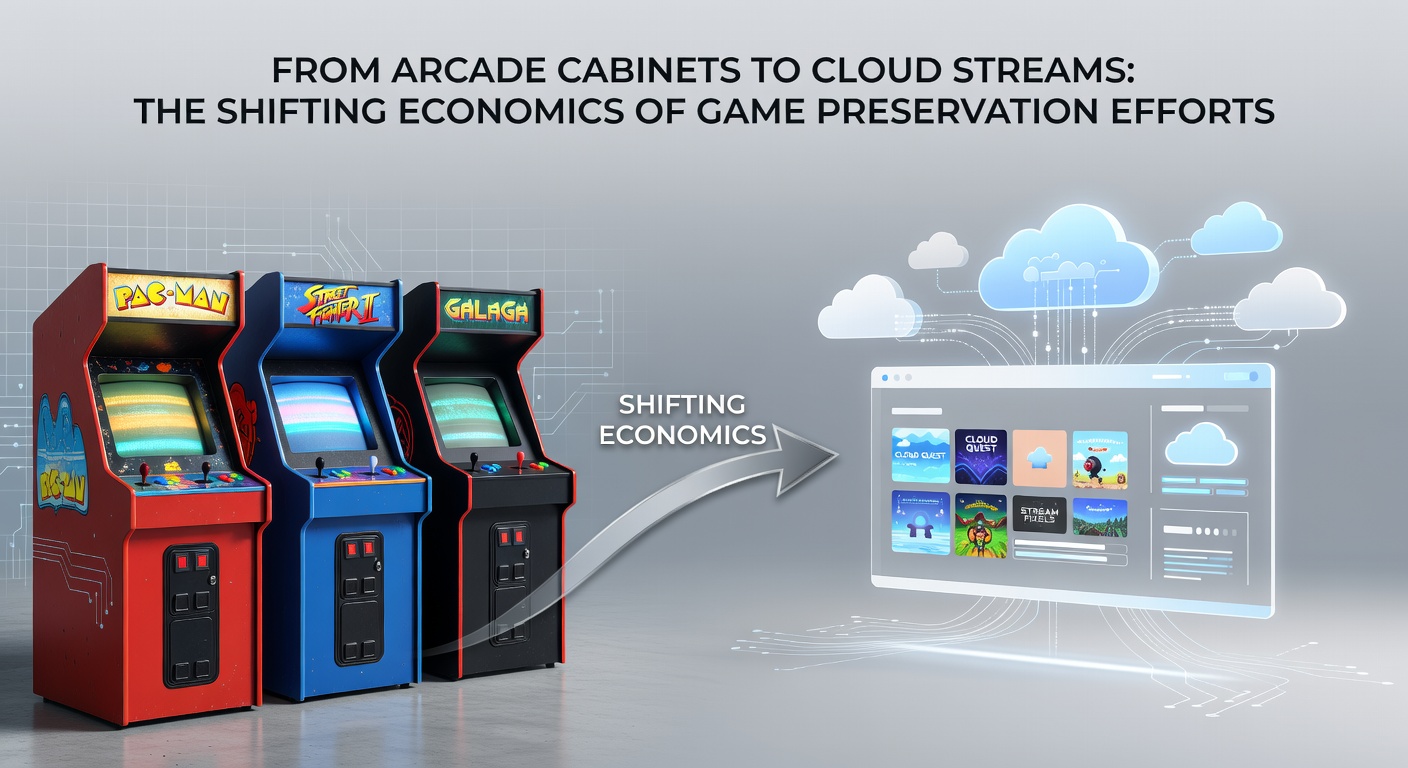
From Arcade Cabinets to Cloud Streams: The Shifting Economics of Game Preservation Efforts
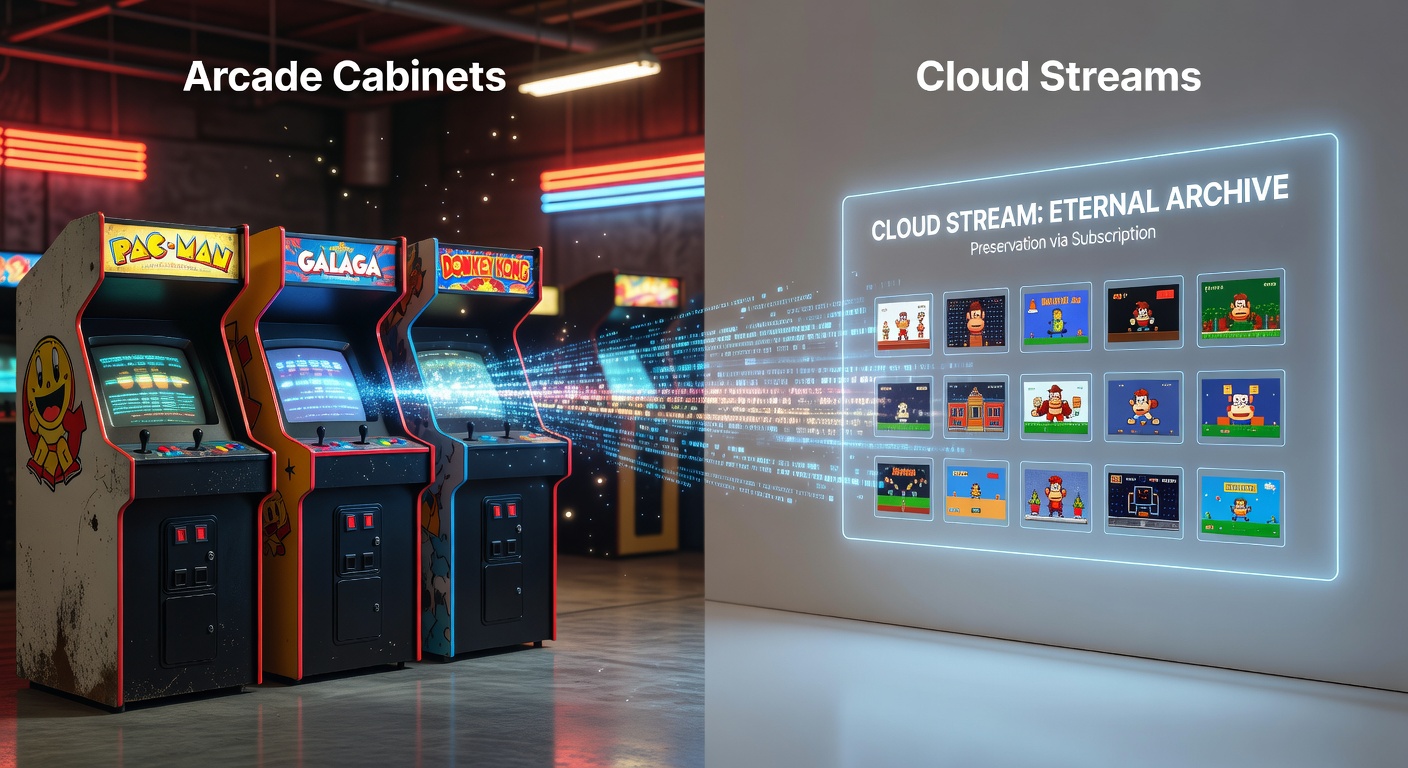
Arcade cabinets once represented the core of game preservation because physical machines required ongoing repairs, replacement parts, and dedicated storage space that drove up costs for collectors and institutions alike. Over time those same cabinets gave way to emulated ROM files that reduced physical overhead but introduced new expenses around licensing, server maintenance, and legal clearances. The transition accelerated as developers shifted toward digital distribution, and observers note that hardware degradation no longer dominates budgets while intellectual property negotiations now consume larger shares of project funding.
Early Economics of Physical Hardware
Arcade operators in the 1970s and 1980s absorbed high upfront costs for cabinets that needed regular servicing, coin mechanisms, and monitor replacements, yet those machines also generated steady revenue that offset preservation outlays. Museums and private collectors later inherited many units and discovered that sourcing replacement circuit boards or power supplies became increasingly expensive once manufacturers stopped production. Data from industry reports shows that restoration projects often exceeded original manufacturing prices by factors of three or four because specialized technicians and rare components commanded premium rates. Researchers at several universities tracked these expenses and found that institutions relying on volunteer labor still faced annual maintenance bills averaging several thousand dollars per cabinet.
Digital Shift and Storage Realities
Emulation projects emerged in the late 1990s and early 2000s as a lower-cost alternative once personal computers gained sufficient processing power. Archivists could store thousands of titles on hard drives that occupied far less space than rows of cabinets, yet they encountered fresh expenses tied to creating accurate emulator code and verifying file integrity against original media. Bit rot and format obsolescence forced periodic data migrations that added recurring labor and equipment costs. Studies conducted by European research consortia indicate that long-term digital storage for interactive media runs between 15 and 40 percent higher per title than static file archives because verification routines must test full gameplay sequences rather than simple checksums.
Cloud Streaming and Subscription Models
Cloud services introduced another layer of economics after 2015 when bandwidth improvements allowed real-time game delivery without local hardware. Companies pay ongoing fees for server capacity, content licensing, and network optimization while subscribers cover access through monthly charges. Preservation groups that partner with these platforms sometimes receive discounted storage in exchange for metadata contributions, but contracts frequently limit how long titles remain available once licensing windows expire. Figures released by North American trade associations reveal that streaming infrastructure now accounts for roughly 60 percent of new preservation budgets at mid-sized organizations, surpassing both physical restoration and emulation development combined.
What's interesting is how rights management expenses scale differently across regions. Australian heritage agencies report that clearing music and voice acting rights for older titles often exceeds the cost of server hosting by wide margins, while Canadian institutions cite similar patterns with localized content. These variations stem from differing copyright durations and collective licensing frameworks that change the overall financial picture depending on where a project originates.
Legal and Institutional Funding Patterns
Grant programs have adapted to these shifts. The U.S. Library of Congress expanded its digital preservation initiatives to include interactive media starting in the mid-2010s, and allocation records show increased emphasis on rights clearance rather than hardware acquisition. European Union cultural heritage funds similarly adjusted criteria in 2023 to prioritize projects that secure long-term streaming agreements. Observers tracking these grants note that successful applications now include detailed projections of recurring licensing fees alongside one-time digitization expenses.
As of May 2026 several consortia announced joint repositories that pool server resources across multiple universities, reducing individual hardware investments while requiring new governance structures for access rights and revenue sharing. These collaborations demonstrate how shared infrastructure can lower per-title costs, yet they also introduce coordination expenses around data standards and usage tracking that smaller organizations must weigh against independent efforts.
Emerging Cost Variables
Artificial intelligence tools for automated emulation testing and metadata tagging represent another variable entering preservation budgets. Early adopters report reduced manual verification time, but training datasets and model maintenance create fresh line items that did not exist five years earlier. Trade publications document cases where AI-assisted projects cut labor costs by nearly half yet required additional cybersecurity measures to protect trained models from tampering.
Regional differences continue to shape strategies. Institutions in Asia often prioritize mobile game preservation because of higher regional usage rates, while North American groups focus more on console and PC titles with established fan communities that sometimes contribute volunteer labor or crowdfunding support.
Conclusion
The economics of game preservation have moved from physical repair and storage to licensing negotiations, server capacity, and recurring access agreements. Each technological stage introduced new cost centers while eliminating others, and organizations continue adjusting budgets accordingly. Data from multiple government and academic sources shows that successful long-term efforts now combine shared infrastructure, careful rights planning, and periodic technology updates rather than relying on any single preservation method.