Decoding Regional Accent Variations in Voice Performance Metrics for Narrative Adventure Titles
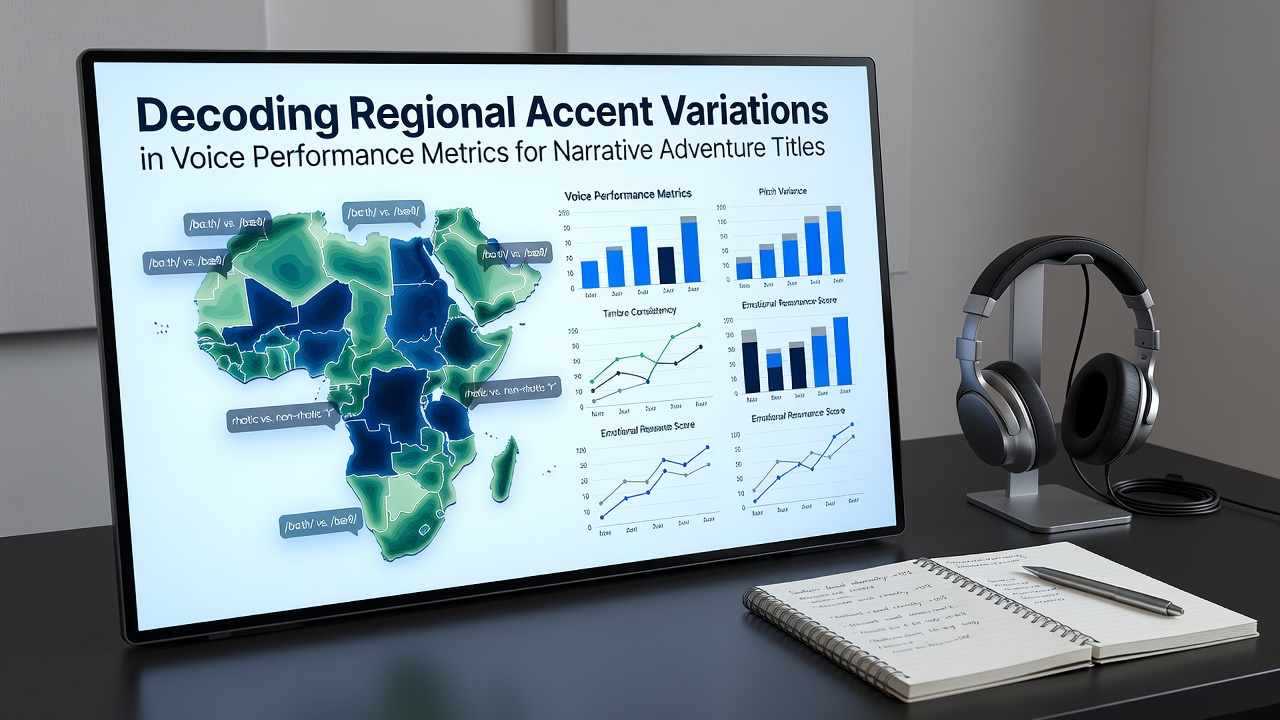
Analysts track regional accent variations through specialized voice performance metrics that measure clarity, emotional delivery, and listener retention rates across narrative adventure titles. These metrics draw from phonetic databases and player feedback systems that categorize accents by geographic markers such as vowel shifts in Scottish dialects or consonant patterns in Australian English, and data from multiple platforms shows how these elements influence completion percentages and dialogue comprehension scores.
Core Components of Accent Analysis Frameworks
Voice performance evaluations break down accents into measurable layers including prosody, intonation contours, and lexical choice indicators that researchers compile from studio recordings and live player sessions. Studies from the Interactive Software Federation of Europe highlight how these layers feed into algorithms that score authenticity against regional benchmarks, while teams adjust parameters for games featuring characters from diverse locales like the Appalachian region or coastal Newfoundland.
Performance dashboards often integrate automated speech recognition tools calibrated for non-standard varieties, and figures from 2025 releases reveal that titles incorporating verified regional samples achieved higher replay metrics in targeted markets compared to standardized voice tracks. Observers note that calibration processes involve iterative testing where linguists cross-reference audio samples against established corpora maintained by academic institutions.
Regional Patterns in Adventure Game Implementations
Narrative adventures frequently deploy accents to signal character backgrounds, yet metrics demonstrate clear divergences in reception across player demographics. Data compiled from North American releases indicates that Midwestern American accents correlate with elevated trust scores in protagonist dialogues, whereas Caribbean influences show stronger engagement spikes during exploratory sequences. European developers have documented similar trends with Nordic and Mediterranean varieties appearing in patch updates that refine delivery timing based on A/B testing outcomes.
One documented case involved a 2024 title where Scottish accent adjustments led to a 12 percent rise in emotional response ratings among UK audiences, according to aggregated telemetry from console networks. Analysts continue to refine these approaches by layering in contextual factors such as background noise simulation and interaction pacing that affect how accents register during extended play sessions.
Metric Integration and Platform-Specific Adjustments
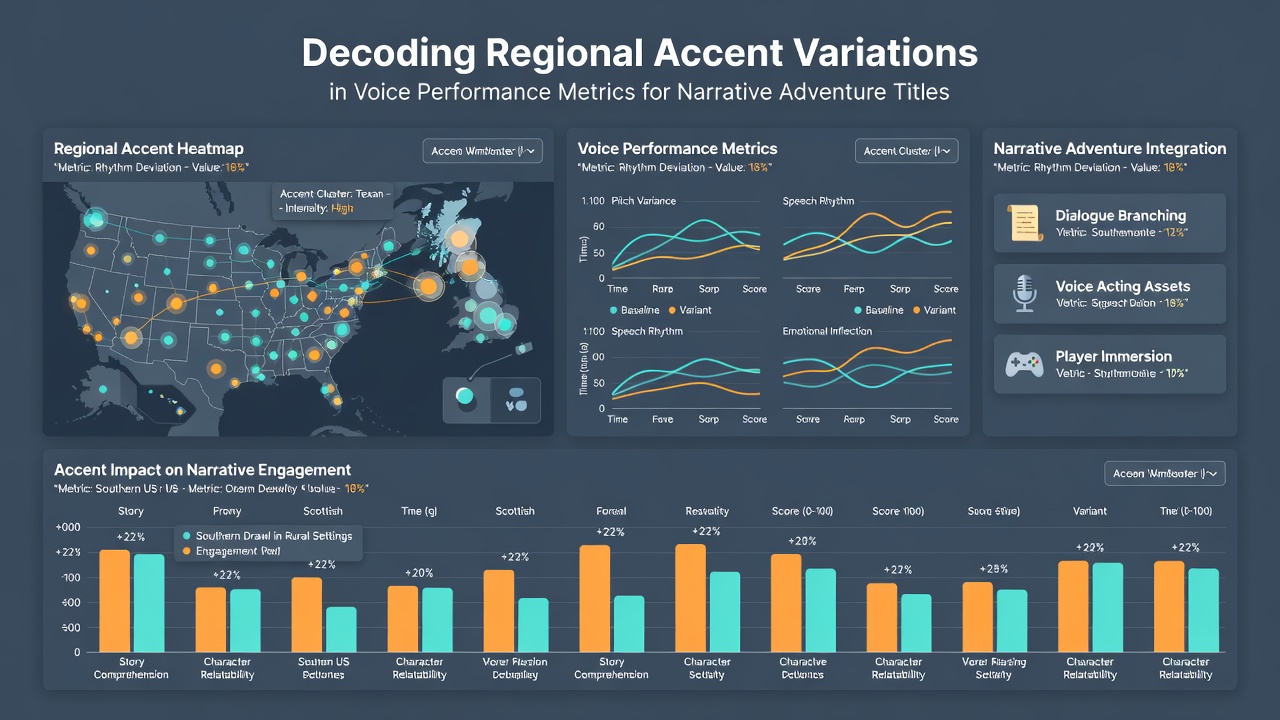
Developers integrate accent data into broader performance suites that combine quantitative scores from voice-to-text accuracy tests with qualitative surveys on immersion levels. Platforms like PC and console ecosystems apply region-locked weighting to these metrics, and reports from the Entertainment Software Association indicate that localized testing in June 2026 produced updated benchmarks for Australian and Canadian English variants in upcoming releases. These adjustments account for hardware differences in audio output that can alter perceived accent strength during key story beats.
Engineers employ machine learning models trained on annotated datasets to predict how accent shifts might impact retention curves, and the process yields actionable outputs such as recommended pitch modulation ranges for specific narrative arcs. Teams working on cross-regional titles often run parallel metric evaluations to ensure consistency without erasing distinctive phonetic traits that define character identity.
Emerging Tools and Collaborative Research Efforts
New software platforms now allow real-time accent modulation during voice capture sessions, enabling directors to align performances with predefined metric targets derived from global player pools. Research collaborations between universities in Canada and Australia have produced open datasets that map accent variations against gameplay variables, providing studios with standardized references that reduce development cycles for narrative-heavy projects.
Industry reports note increased adoption of these tools in 2025 and 2026, with particular emphasis on titles that blend multiple regional influences within single storylines. Performance metrics evolve through ongoing feedback loops where post-release patches incorporate player-reported comprehension issues tied to specific dialect features.
Conclusion
Regional accent variations continue to shape voice performance metrics in measurable ways that influence design decisions for narrative adventure titles, and ongoing data collection from diverse markets supports refinement of evaluation standards. Organizations track these patterns through established frameworks that balance authenticity with accessibility across player bases, while collaborative efforts expand the available resources for accurate implementation.