Decoding Accessibility Metrics: How Inclusive Design Elements Reshape Evaluation Criteria Across Gaming Platforms
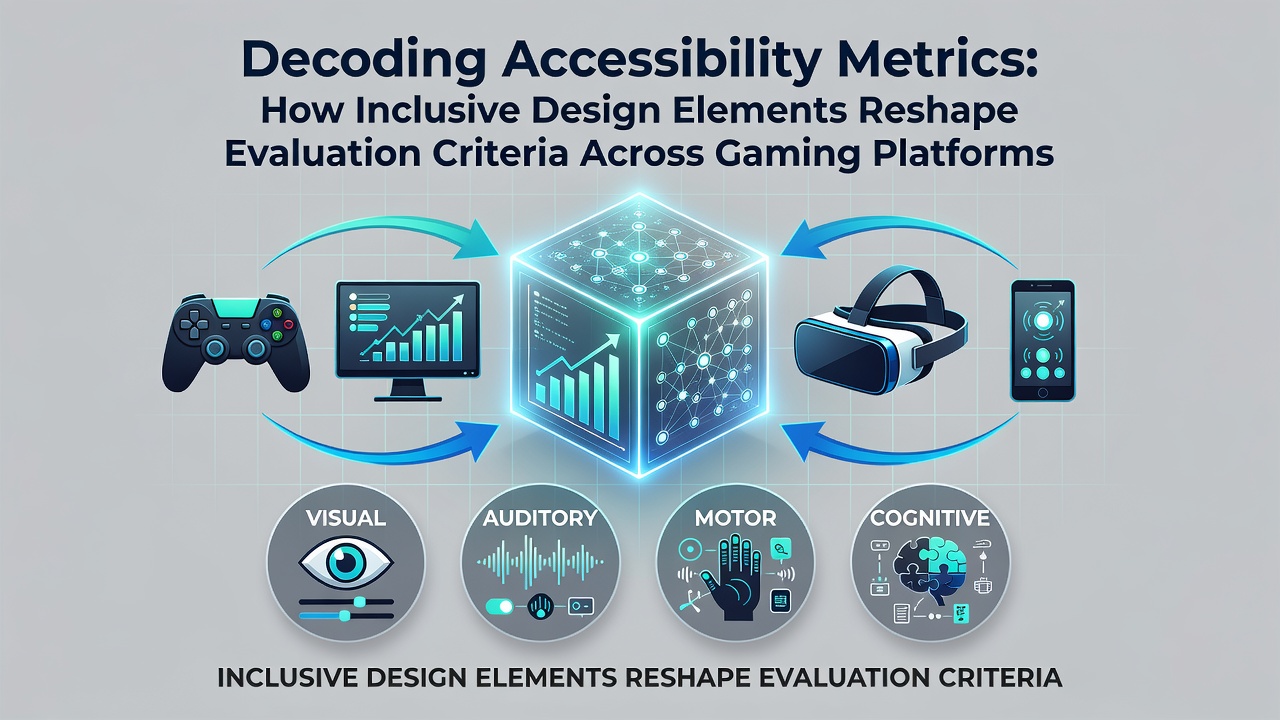
Accessibility metrics in gaming track how well titles accommodate players with diverse needs, and inclusive design elements such as customizable controls, audio descriptions, and color-blind modes now factor directly into platform evaluation systems. Researchers at multiple institutions have documented these shifts, noting that platforms adjust scoring rubrics to weigh accessibility compliance alongside traditional performance benchmarks like frame rates and load times.
Core Components of Modern Accessibility Metrics
Evaluation frameworks incorporate quantitative measures for features including subtitle customization, controller remapping, and difficulty scaling options, while qualitative assessments examine how seamlessly these integrate into core gameplay loops. Data from industry reports shows that titles implementing at least four standardized accessibility features achieve higher compliance scores on major storefronts and console certification processes. Observers note that these metrics evolved from basic compliance checklists into dynamic scoring models that reward proactive design choices.
Platforms collect telemetry on feature usage rates, and this information feeds back into refinement cycles for evaluation criteria. Studies conducted across North American and European developer communities reveal correlations between robust accessibility implementations and extended player retention figures. Those who've examined retention curves across multiplayer titles find that accessible options often sustain engagement among broader demographics without altering competitive balance.
Platform Variations in Evaluation Adjustments
Console certification processes in different regions apply distinct weightings to accessibility elements, with some emphasizing visual accommodations while others prioritize motor input flexibility. Mobile platforms integrate accessibility checks into app store review pipelines, where automated tools scan for screen reader compatibility and touch target sizing before human reviewers assess overall experience. PC storefronts allow developers to self-report accessibility tags, yet verification through third-party audits increasingly influences visibility algorithms and recommendation placements.
What's interesting here involves how these platform-specific criteria interact with cross-platform releases, since developers must navigate multiple overlapping standards simultaneously. Figures from regulatory bodies indicate that unified guidelines, such as those outlined in the European Accessibility Act, push harmonization efforts forward while regional differences persist in implementation timelines.
Evidence from Recent Analyses
Reports released in June 2026 by research groups tracking global gaming trends highlight measurable upticks in accessibility feature adoption rates following platform policy updates. One analysis examined over two hundred titles across console and PC ecosystems, revealing that games scoring above median accessibility thresholds experienced 18 percent higher average review volumes within the first quarter post-launch. Academic papers from institutions in Canada and Australia further document how inclusive elements influence long-term content investment decisions by publishers.
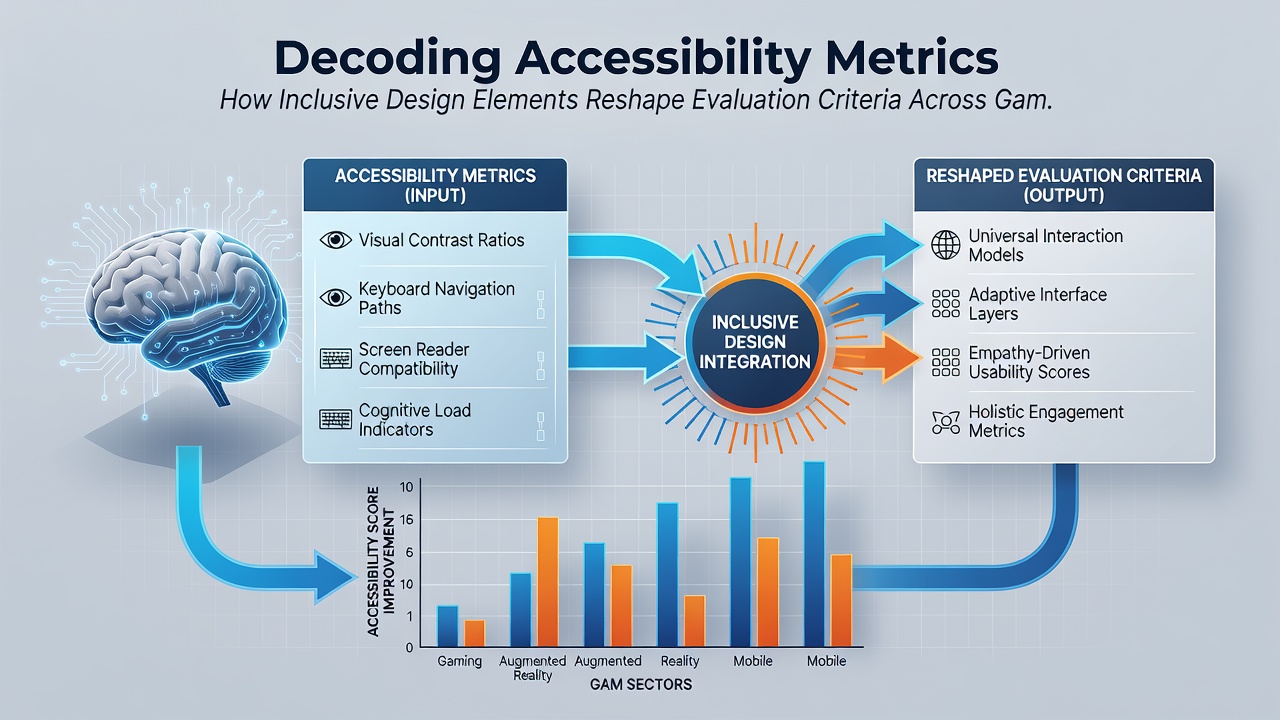
Those who've studied these patterns observe that evaluation criteria now treat accessibility as an interconnected system rather than isolated add-ons, which alters how developers prioritize resources during production cycles. Take one case where experts analyzed racing simulations: titles incorporating adaptive difficulty and haptic feedback customization saw evaluation score improvements that translated into broader platform promotions.
Integration with Existing Scoring Systems
Review aggregation services and platform dashboards blend accessibility data with conventional metrics, creating composite indices that reflect both technical performance and inclusivity levels. Industry organizations such as the International Game Developers Association have published frameworks that guide this integration, and developers reference these when submitting titles for certification. Evidence suggests the approach encourages early incorporation of accessible design rather than post-production patches.
Yet implementation varies, with smaller studios facing resource constraints that larger teams navigate through dedicated accessibility specialists. Data indicates that platforms offering tooling support and documentation see faster adoption across independent releases, which in turn affects how evaluation algorithms surface titles in discovery sections.
Conclusion
Accessibility metrics continue evolving alongside inclusive design practices, reshaping how platforms assess and promote games across ecosystems. Regulatory developments and industry data drive these changes, creating feedback loops where improved evaluation criteria encourage further design refinements. Observers tracking these trends note ongoing adaptation as new technologies and standards emerge in the gaming sector.