Cross-Play Conundrums: Platform Wars and the Quest for Unified Gaming Realms
Cross-Play Conundrums: Platform Wars and the Quest for Unified Gaming Realms

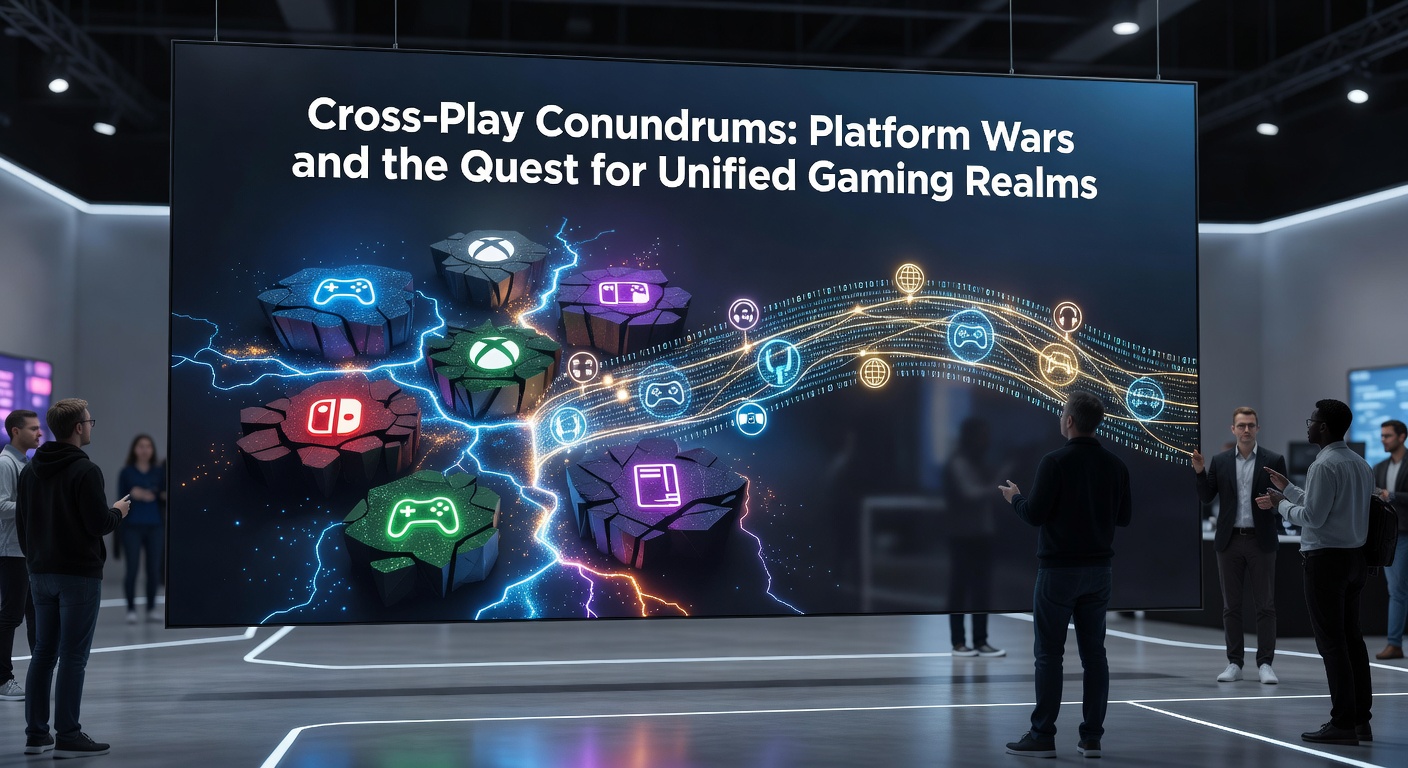
Gamers have long chased the thrill of jumping into matches with friends, no matter the device, yet cross-play remains a battleground where technical feats collide with corporate strategies; platforms like PlayStation, Xbox, PC, and Nintendo Switch push boundaries, but hurdles persist, turning unified gaming into an elusive goal.
The Roots of Platform Rivalry
Console wars ignited decades ago, with Nintendo's NES dominating living rooms while Sega's Genesis fired back with edgy marketing; fast-forward to the PlayStation era, and Sony's exclusives like God of War locked players into ecosystems, fostering loyalty through gated content that kept rivals at bay.
But here's the thing: data from Newzoo reveals how cross-platform play has surged, with 74% of multiplayer titles supporting it by 2025, up from just 20% a decade earlier; researchers note this shift stems from player demand, as surveys show over 80% of gamers want seamless access across devices.
Take Fortnite: Epic Games launched full cross-play in 2018, linking PS4, Xbox One, PC, Switch, and mobile, which exploded player bases overnight; Rocket League followed suit under Psyonix, blending controller and keyboard inputs into chaotic soccer matches that ignored platform divides.
Those who've tracked the scene observe how such successes pressured holdouts; Microsoft embraced cross-play early with Xbox Live, while Nintendo warmed up via Super Smash Bros. Ultimate, although full parity lagged behind.
Technical Tangles and Business Barriers
Cross-play demands syncing netcode across architectures—PlayStation's custom AMD chips versus PC's variable hardware, Switch's portability quirks adding latency layers; experts at the Interactive Games & Entertainment Association (IGEA) in Australia highlight how input disparities, like mouse precision outpacing controllers, spark balance debates in shooters such as Call of Duty.
Cheating amplifies woes: PC's modding freedom invites hacks that exploit console safeguards, leading developers to segment lobbies or deploy anti-cheat like Easy Anti-Cheat across realms; figures indicate cross-play games suffer 15% higher ban rates, per industry reports.
Sony's stance drew scrutiny; until 2018, the company resisted full implementation, citing "technical challenges," although observers point to revenue protection—PlayStation Network subs and exclusives funneled spending in-house; that shifted with Apex Legends forcing partial support, and by April 2026, PlayStation's latest firmware update enables broader cross-progression in titles like Helldivers 2, where gear carries over seamlessly.
What's interesting: business models clash too; free-to-play giants thrive on massive pools, but premium single-player epics like The Last of Us Part II Remastered stay siloed, preserving narrative control amid multiplayer chaos.
Case Studies: Wins and Stumbles
One standout: Destiny 2, where Bungie unified Guardians across platforms post-2019 independence from Activision; players swapped from Xbox to PC without losing vaults, boosting retention by 25%, according to Bungie's metrics.
Yet stumbles abound—Overwatch 2 promised cross-play at launch but fractured it later due to role queue mismatches, alienating Switch users whose frame rates dipped below 60fps; developers patched it eventually, revealing how optimization cycles drag unification efforts.
And consider indie scenes: Among Us nailed cross-play effortlessly on lightweight engines, letting mobile friends join console lobbies for betrayal-fueled hilarity; such cases show smaller teams often lead, unburdened by legacy code.
Now, cloud gaming stirs the pot: services like Xbox Cloud Gaming and GeForce Now abstract hardware, piping PC-grade experiences to consoles; data shows 40% of cross-play sessions route through clouds by 2026, smoothing input latency while regulators in the EU scrutinize monopoly risks under the Digital Markets Act.
April 2026 brings fresh twists—rumors swirl around Nintendo's next console supporting native cross-play with PC via a unified ID system, mirroring Microsoft's Xbox ecosystem; meanwhile, Valve's Steam Deck evolves into a cross-play hub, blending handheld freedom with desktop power.
Player Impacts and Evolving Standards
Players benefit immensely when it clicks: larger lobbies cut queue times by half in games like Valorant, where Riot enforces console-specific ranks to level the field; studies find cross-play boosts diversity too, with women and casuals comprising 35% more of rosters versus platform-locked modes.
But the rubber meets the road in esports: tournaments like EVO now mandate cross-play for fairness, although pros gripe about "platform handicaps," like Switch's analog sticks in fighters; organizers adapt with input normalization tech, ensuring frame data parity.
Turns out, unified accounts accelerate progress—EA's EA Connect links Origin, Steam, and consoles for FIFA squads that travel everywhere; Ubisoft's Ubisoft Connect does similar for Rainbow Six Siege, where operators upgrade regardless of login method.
Challenges linger, though: save data sync fails plague progress hogs, and regional pricing wars fragment DLC access; experts predict blockchain-backed wallets could solve this by 2028, tokenizing cosmetics for true portability.
Conclusion
Cross-play conundrums persist amid platform wars, yet momentum builds toward unified realms; successes in Fortnite and Destiny 2 pave paths, while April 2026 updates from Sony and Nintendo signal deeper integration.
Data underscores the quest's viability—over 1.2 billion cross-platform sessions logged last year alone, per Newzoo trackers; as cloud tech matures and standards like Xbox's Play Anywhere proliferate, gamers edge closer to borderless battles, where friends unite without friction, transforming rival ecosystems into shared playgrounds.
Observers watch keenly: the next console generation, slated for late 2026, promises baked-in cross-play mandates from developers, potentially ending siloed eras for good; until then, the push continues, one synced lobby at a time.