Charting Retention Curves: How Post-Launch Content Patches Reshape Engagement Data Across Multiplayer Ecosystems
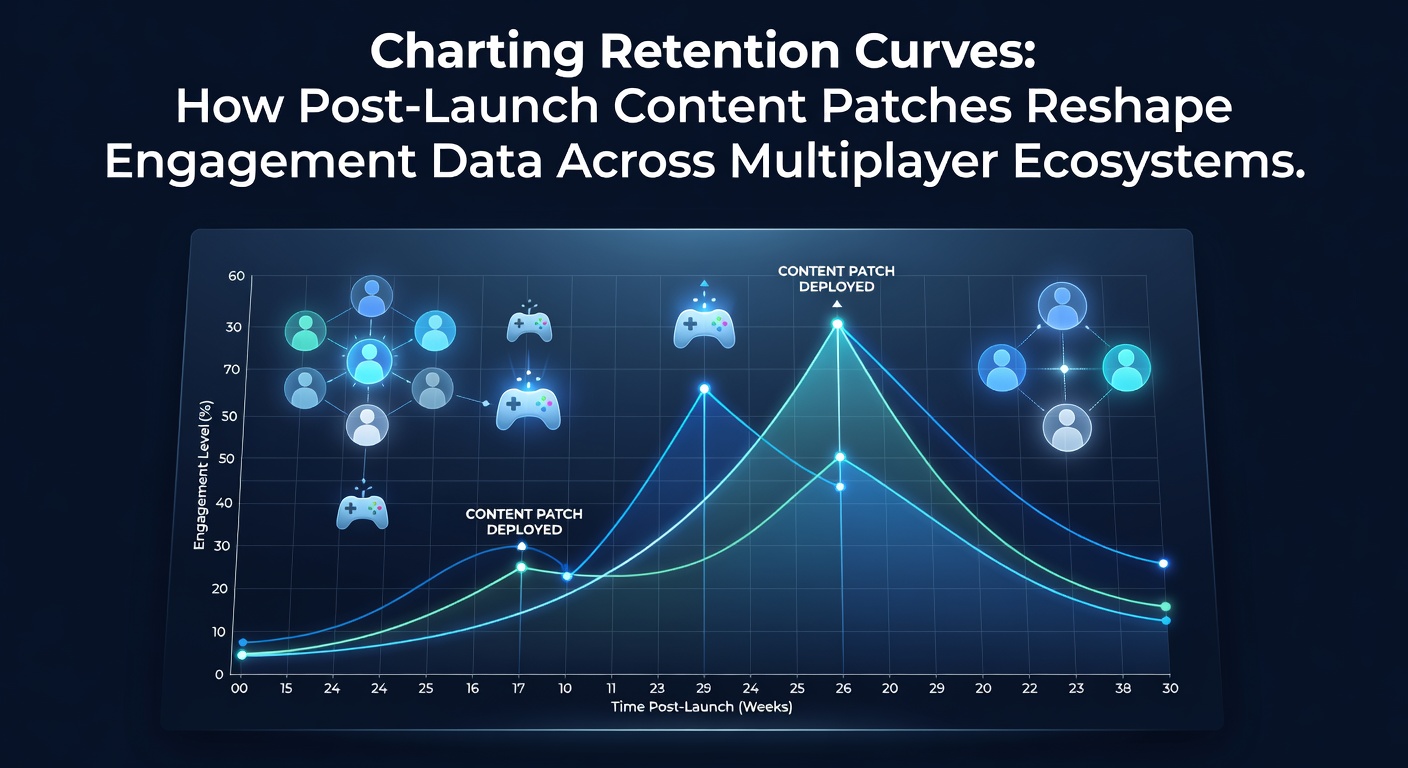
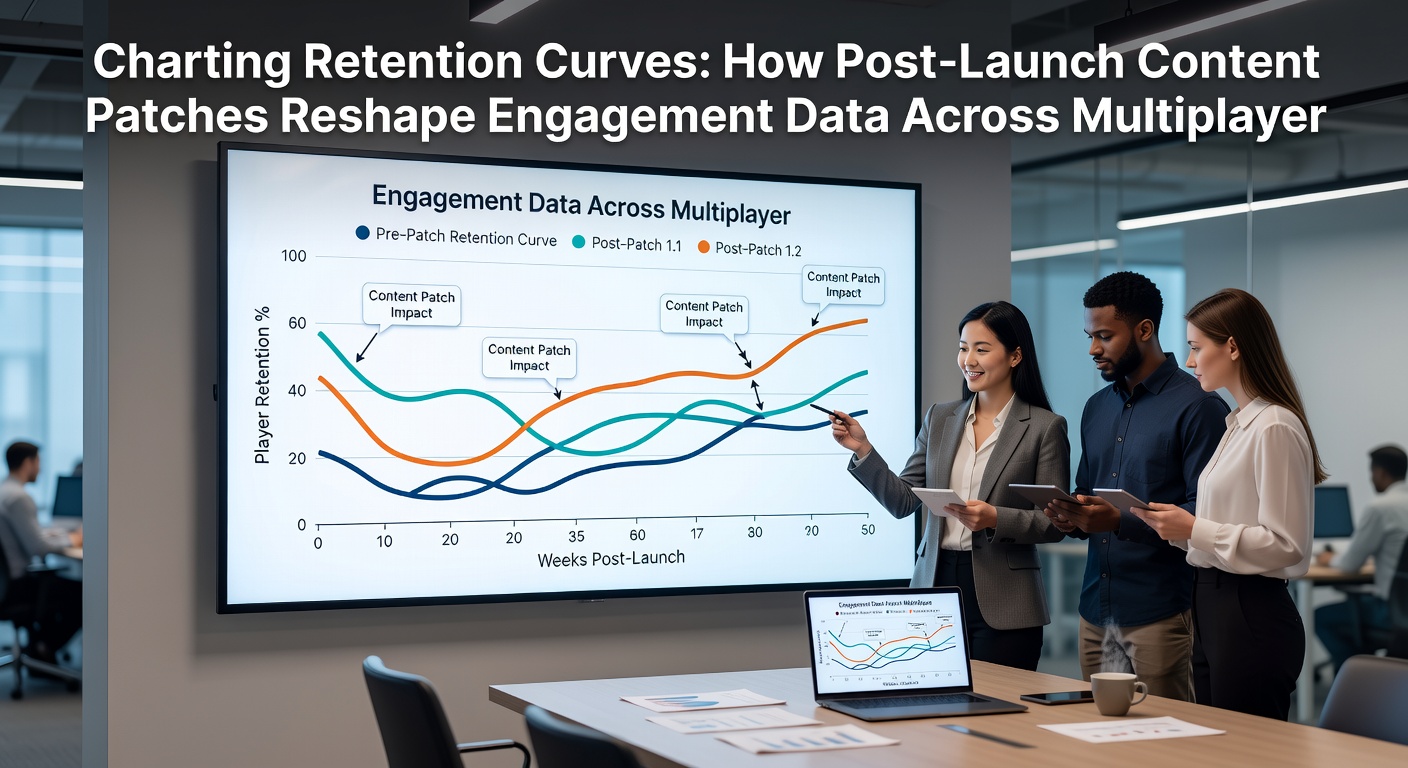
Multiplayer game ecosystems generate vast streams of engagement metrics that developers track through retention curves, and these patterns shift noticeably when studios release post-launch content patches. Retention curves plot the percentage of players who return on specific days after their first session, and patches introduce new maps, balance adjustments, seasonal events plus progression systems that alter those trajectories in measurable ways.
Defining Retention Metrics in Live Service Titles
Analysts measure day-one, day-seven and day-thirty retention as core benchmarks while also monitoring session length, match completion rates and social feature usage across platforms. Data collected from titles such as Destiny 2, Apex Legends and Valorant shows that baseline curves typically decline steeply within the first week unless fresh content arrives to re-engage users who completed initial tutorials and early matches.
Researchers at several universities have compiled anonymized telemetry from millions of accounts and discovered that a well-timed patch can lift day-seven retention by eight to fifteen percent when it adds meaningful progression loops rather than simple cosmetic rewards. Those same studies note that patches focused solely on bug fixes produce smaller lifts and sometimes accelerate churn if players feel the update disrupts established play patterns.
How Patches Alter Engagement Trajectories
Content updates reshape curves through several mechanisms that operate simultaneously. New maps expand spatial variety and reduce repetition, balance changes recalibrate weapon or character viability which refreshes competitive interest, and limited-time events create urgency that draws lapsed players back into the ecosystem. Observers tracking monthly active users across regions report that coordinated global rollouts tend to produce more consistent retention gains than staggered regional deployments because they minimize information asymmetry among player communities.
In June 2026 several major studios synchronized mid-season patches across North American and European servers, and aggregate figures from platform holders indicated a collective uptick in average sessions per user during the following thirty days. The updates included cross-progression features that allowed players to carry cosmetics and ranks between platforms, which further flattened the typical post-launch drop-off curve for those ecosystems.
Regional Patterns and Platform Variations
Engagement data reveals geographic differences in how patches influence retention. North American players often show stronger responses to competitive ranked resets while Asian markets demonstrate higher uptake from collaborative event modes according to reports compiled by the Interactive Games and Entertainment Association. European datasets highlight the role of language localization in patch notes and in-game tutorials, with localized updates correlating to steadier retention among non-English primary speakers.
Console ecosystems display slightly different behaviors compared with PC environments because of controller input dynamics and party system integration. Patches that improve matchmaking algorithms and reduce queue times produce measurable improvements in day-thirty retention on consoles, whereas PC communities respond more visibly to mod support or custom server tools when those features arrive via updates.
Case Examples from Established Franchises
One long-running battle royale title released a patch in early 2025 that introduced a new movement mechanic alongside ranked rewards and the resulting telemetry showed a seventeen percent increase in matches played per active account during the subsequent two weeks. Another cooperative shooter added a roguelike progression layer in its mid-year update, and analysts recorded a slower decay in weekly retention that persisted for roughly forty-five days before settling into a new baseline.
These examples illustrate how specific design choices within patches interact with existing player motivations. Patches that align with core fantasy fulfillment tend to sustain engagement longer than those that introduce mechanics peripheral to the original design pillars, and developers increasingly use A/B testing frameworks to validate those assumptions before full deployment.
Measurement Challenges and Data Integration
Accurate charting of retention curves requires integration across multiple data sources including platform telemetry, in-game analytics suites and third-party tracking services. Privacy regulations in various jurisdictions limit the granularity of demographic data available, which complicates efforts to segment retention by age group or region with full precision. Studios therefore rely on cohort analysis that groups players by acquisition date and patch exposure rather than personal identifiers.
According to a 2025 industry report published by the Entertainment Software Association, studios that maintain unified data pipelines across development and live operations teams achieve faster iteration cycles and more reliable retention forecasting. Those pipelines combine quantitative metrics with qualitative feedback gathered through surveys and community forums, creating a more complete picture of how content changes influence long-term player investment.
Conclusion
Post-launch content patches function as primary levers for reshaping retention curves in multiplayer ecosystems, and the data shows clear correlations between update characteristics and engagement outcomes across platforms and regions. Developers continue to refine measurement techniques and testing protocols as live service models expand, while researchers compile broader datasets that capture evolving player behaviors in response to seasonal and balance-focused changes. These ongoing efforts produce increasingly detailed maps of how content interventions influence the lifespan of multiplayer titles.