Balancing Act: How Controller Ergonomics Shape Competitive Performance Across Fighting Game Communities
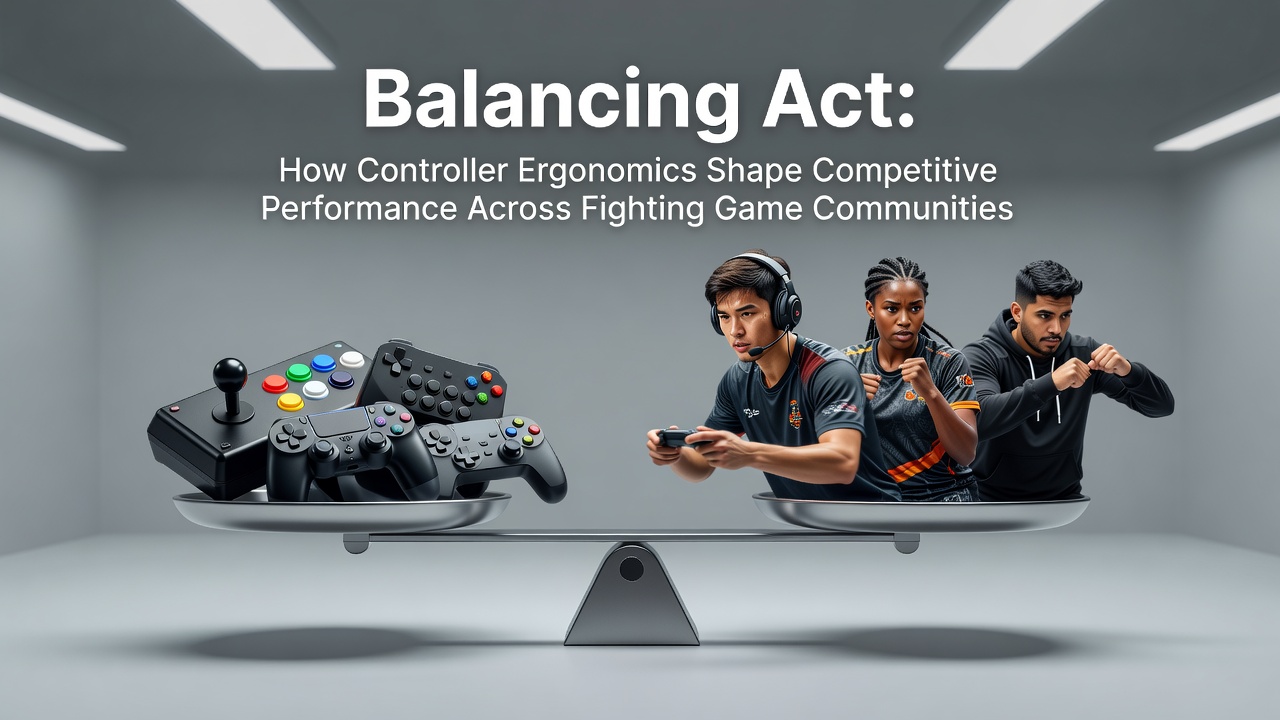
Controller design plays a central role in how competitors execute complex inputs during high-stakes matches, and fighting game communities have documented measurable differences in performance tied directly to hardware ergonomics. Players often switch between arcade sticks, fight pads, and leverless controllers, each configuration altering wrist angles, button reach, and sustained grip comfort over multi-hour sessions. Data from community-driven input logging shows that certain layouts reduce input errors during rapid directional commands while others increase fatigue after extended bracket play.
Hardware Variations and Input Precision
Arcade sticks maintain popularity in many regions because their lever mechanism allows consistent 360-degree motion without requiring finger repositioning, yet researchers note that lever tension and gate shape affect the speed of quarter-circle and dragon-punch motions. Fight pads, by contrast, rely on D-pad or analog stick placement that can compress the thumb during extended use, leading to documented accuracy drops in late-round scenarios. Leverless controllers using button-based directional inputs have gained traction since their introduction because they eliminate lever travel distance, and tournament data from 2025 events indicate faster reaction times on certain characters when players adopt these devices.
Regional Preferences and Tournament Trends
Communities in Japan continue to favor traditional arcade cabinets at local venues, while North American and European scenes show higher adoption rates of portable fight pads and custom leverless boards. Observers note that these regional hardware choices correlate with character selection patterns, as certain movesets benefit from the tactile feedback of specific button arrangements. In June 2026, several major circuits plan to standardize controller inspection protocols to ensure compliance with size and modification rules, a step that builds on earlier guidelines issued by event organizers.
Studies conducted by human factors laboratories have measured muscle activation patterns across different grip styles, revealing that players using claw-grip techniques on standard pads experience higher strain in the extensor muscles during rapid inputs. Those findings align with community reports of wrist discomfort after long sets, prompting some competitors to incorporate ergonomic modifications such as extended buttons or angled wrist rests.
Ergonomics Data and Performance Metrics
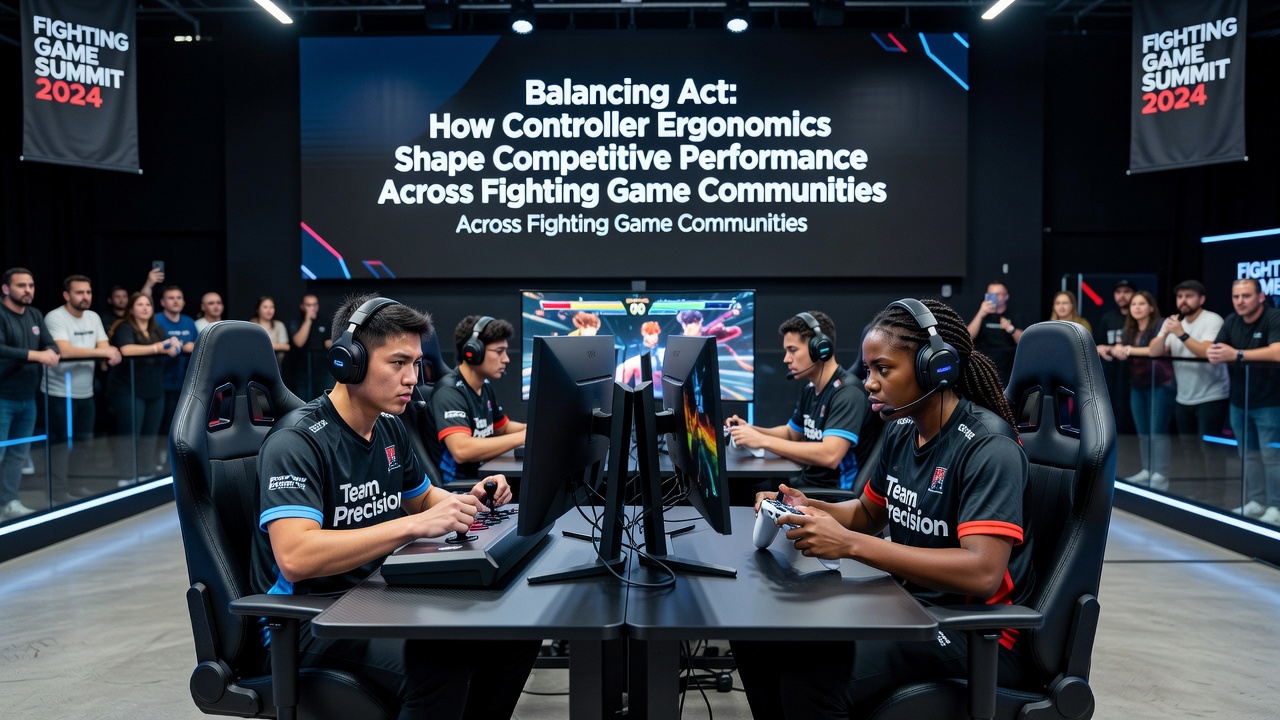
Longitudinal tracking of input accuracy across fighting game titles demonstrates that controller familiarity often outweighs raw hardware advantages once players reach high skill thresholds. A report from the Esports Research Network compiled data from over 800 tournament participants and found that individuals who maintained consistent controller use across practice and competition phases recorded fewer dropped inputs during elimination rounds. The same dataset highlighted how button spacing influences the execution of simultaneous inputs required for advanced techniques in multiple franchises.
Training regimens have adapted accordingly, with coaches incorporating grip-strength exercises and scheduled breaks to mitigate the physical demands of prolonged controller use. Community forums document cases where players improved their placement after switching to devices with adjustable tension springs or concave button profiles that better match finger curvature. These adjustments do not replace mechanical skill but reduce the physical barriers that previously limited session length and consistency.
Community Adaptation and Future Hardware
Manufacturers have responded to feedback from competitive circuits by releasing models with modular components, allowing users to swap levers, buttons, and even entire faceplates between events. Such flexibility supports the varied preferences observed across different game titles and regional scenes. Academic work from institutions studying human-computer interaction continues to examine how latency differences between wired and wireless controllers interact with ergonomic variables, providing additional context for why some setups perform better under specific tournament conditions.
Equipment regulations remain a point of discussion because custom modifications can alter the balance between accessibility and standardization. Event staff routinely inspect devices for unauthorized enhancements, yet the core focus stays on ensuring fair competition rather than restricting ergonomic improvements that address documented physical strain. Data collected at recent majors shows that players who optimize their setup for comfort maintain steadier performance across full-day schedules compared with those using unmodified stock hardware.
Conclusion
Controller ergonomics continue to influence competitive outcomes in fighting game communities through their effects on input reliability, physical endurance, and adaptation speed. As hardware options expand and research accumulates, participants and organizers alike track how these variables shape bracket results and long-term player retention. The interplay between device design and human physiology remains a measurable factor in an environment where fractions of a second determine advancement.